Is Salmon Safe for Dogs?
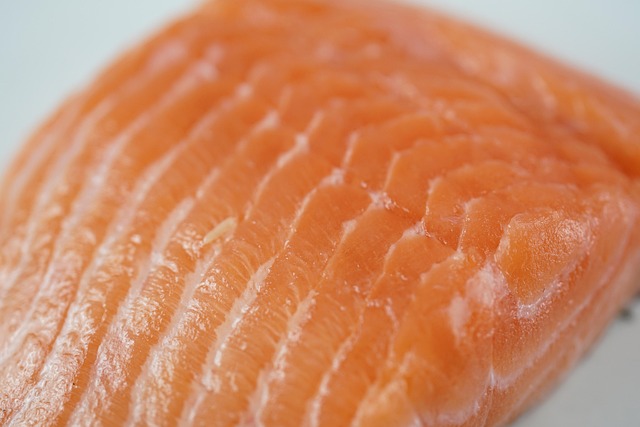
According to the AKC, plain, cooked salmon is safe for dogs and is often included in commercial dog foods because it is a source of protein and omega-3 fatty acids.
Source: https://www.akc.org/expert-advice/nutrition/can-dogs-eat-salmon/
However, veterinary organisations caution strongly against feeding raw salmon. VCA Hospitals explains that raw salmon may carry Neorickettsia helminthoeca, a bacterium transmitted by a parasitic fluke that can cause salmon poisoning disease in dogs.
Source: https://vcahospitals.com/know-your-pet/salmon-poisoning-disease-in-dogs
The FDA warns that raw fish can contain harmful pathogens and parasites, and therefore should not be given to pets.
Source: https://www.fda.gov/animal-veterinary/animal-health-literacy/keep-your-pet-safe-food-borne-illness
Why Salmon Can Be a Problem for Some Dogs
Main considerations
- Parasites and bacteria in raw salmon: Can cause salmon poisoning disease, a condition that may be severe if untreated.
- High fat content: Rich or oily cuts may contribute to digestive upset.
- Seasonings: Garlic, onion, salt, or butter are common in cooked salmon dishes and may be unsuitable for dogs.
Portion size and dog size
Because salmon is calorie-dense, smaller dogs may be more sensitive to portions containing added fat or oils.
Preparation differences
Veterinary sources distinguish between:
- Cooked salmon, plain (generally safe)
- Raw salmon (unsafe due to parasites and bacteria)
- Smoked or canned salmon (may contain excess salt or seasonings)
Signs Reported When Dogs React Poorly to Salmon
- Vomiting
- Diarrhoea
- Lethargy
More serious signs (associated with salmon poisoning disease)
- Fever
- Swollen lymph nodes
- Dehydration
- Joint pain
These signs typically appear several days after consuming infected raw salmon, according to VCA Hospitals.
Ingredients or Additives to Watch For
- ❌ Garlic or onion seasonings (classified as toxic by ASPCA/APCC)
- ❌ High sodium levels (common in smoked or canned salmon)
- ⚠️ Excess oils or butter (may contribute to digestive upset)
Puppies vs. Adult Dogs
Veterinary sources do not classify cooked salmon differently for puppies and adult dogs. However, puppies may be more sensitive to rich or oily foods, and raw salmon poses equal or greater risk to dogs of all ages.
Other Common Variants of Salmon
Raw Salmon
Considered unsafe due to the risk of parasites and bacteria.
Canned Salmon
Generally safe if plain and low in sodium, but many canned products contain added salt or seasonings.
Smoked Salmon
Often high in salt and therefore not recommended.
Dog-Friendly Alternatives Mentioned in Pet-Nutrition Sources
- Plain cooked chicken
- Plain cooked turkey
- Plain cooked white fish
- Commercial dog treats
Frequently Asked Questions (FAQ)
This FAQ summarises themes appearing in veterinary pet-care articles.
It is informational only and not a substitute for professional veterinary care.
Is cooked salmon safe for dogs?
Yes. Veterinary organisations classify plain, cooked salmon as safe.
Why is raw salmon dangerous?
Raw salmon may contain a parasite that carries bacteria known to cause salmon poisoning disease.
Can dogs eat salmon skin?
Salmon skin is often high in fat, and suitability depends on preparation and the individual dog’s tolerance.
Source Reference
This page compiles information from publicly accessible veterinary and pet-safety resources, including:
-
AKC — “Can Dogs Eat Salmon?”
https://www.akc.org/expert-advice/nutrition/can-dogs-eat-salmon/ -
VCA Hospitals — “Salmon Poisoning Disease in Dogs”
https://vcahospitals.com/know-your-pet/salmon-poisoning-disease-in-dogs -
FDA — “Keep Your Pet Safe from Food-Borne Illness”
https://www.fda.gov/animal-veterinary/animal-health-literacy/keep-your-pet-safe-food-borne-illness
This page is informational only and does not constitute veterinary or medical advice. Readers are encouraged to review these sources directly.