Affiliate disclosure: This guide contains affiliate links. If you purchase via these links, we may earn a small commission at no extra cost to you. This never affects our safety assessments — see our Editorial Standards for how we work.
Recommendations on this page
- For preparedness: ARCA Pet First Aid Kit — a small investment for unexpected pet emergencies. View on Amazon →
- Further reading: The Forever Dog by Habib & Becker — a well-regarded reference on canine nutrition and longevity. View on Amazon →
Is Paprika Safe for Dogs?
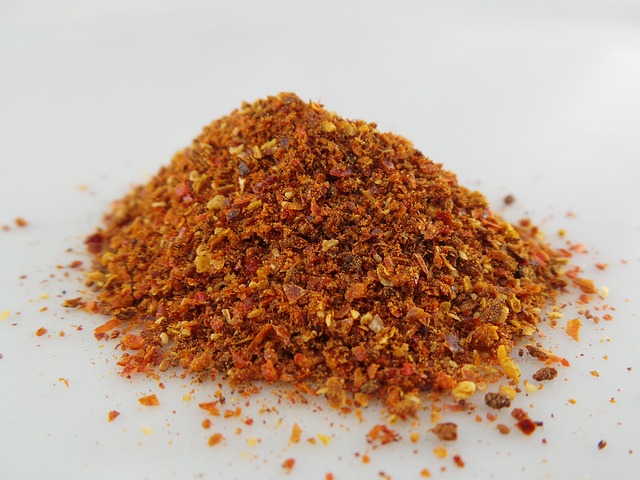
Let’s lead with the reassuring part, because it’s the part most guides get wrong: plain paprika is not toxic to dogs, and the paprika most people actually own — sweet or smoked — is barely spicy at all. A pinch of sweet paprika dusted on food is a minimal concern. The “capsaicin will irritate your dog’s stomach” warning that dominates the search results is overstated for the common types, because they have essentially no heat.
So why is this page a Caution and not Safe? Because “paprika” spans three genuinely common branches where the risk is real, and a Safe badge would undersell them:
- Hot paprika varieties carry some real capsaicin.
- Seasoning blends built around paprika (BBQ rubs, taco seasoning, seasoned salt) frequently add garlic and onion powder — the actual hazard.
- Those same blends tend to be high in salt.
This is the same shape as the rest of the herbs-and-spices cluster — oregano, italian seasoning, and curry powder — where the plain spice is low-concern and the genuine risk rides in the blend. Read on for which paprika situation you’re actually dealing with.
The Heat Question: The Common Paprika Is Barely Spicy
The whole “spicy irritant” worry hinges on capsaicin — and the heat data shows how little of it the everyday paprika contains. Paprika is simply ground, dried peppers, most often the mild sweet or bell-pepper family, so how spicy it is depends entirely on which peppers went into it:
| Spice | Approx. heat (Scoville) |
|---|---|
| Sweet paprika (the standard jar) | ~0 — no heat |
| Smoked paprika (usually made from sweet pepper) | ~0 — no heat |
| Hot / Hungarian paprika | ~500, up to ~15,000 at the extreme |
| Cayenne | 30,000–50,000 |
| Fresh chili peppers | far higher still |
The takeaway: sweet and smoked paprika sit at essentially zero heat. The capsaicin-driven GI irritation that’s a genuine concern for chili peppers barely applies to them. Only hot paprika carries meaningful capsaicin — and even the hottest paprika is a fraction of cayenne’s heat. So if your paprika is the standard sweet or smoked kind, the “spice” angle is close to a non-issue; if it’s a hot variety, treat it more like a mild chili (see the chili peppers page for how capsaicin affects dogs).
The Real Concern: Allium in Spice Blends
Here’s where the genuine hazard lives. Paprika rarely arrives on its own — it’s a base ingredient in BBQ rubs, taco seasoning, seasoned salt, Cajun and “grill” blends, and paprika-forward spice mixes, and those blends very often add garlic and onion powder.
Alliums are genuinely toxic to dogs. The Merck Veterinary Manual describes the mechanism: their sulfur compounds cause oxidative damage to red blood cells (Heinz-body formation, leading to haemolytic anaemia), with all forms — including the dried powders used in seasoning — retaining full toxicity, and an onset that is typically delayed 3–5 days. Garlic powder is especially concentrated. In a paprika-based blend, the paprika is the harmless part; any garlic or onion powder is the real concern — the same calibration as curry powder.
The practical rule: read the ingredient list of any paprika blend. Plain paprika → low concern. A blend with garlic or onion powder → treat it as an allium exposure and act on the amount eaten.
Salt in Seasoned Paprika Products
The same seasoned products — rubs, seasoned salts, spice blends — also tend to carry a lot of salt. It’s a secondary concern next to the allium question, but a real one, particularly for small dogs or any dog on a vet-prescribed low-sodium diet. Plain paprika itself contributes negligible sodium; the salt comes from the blend.
Smoked Paprika, Specifically
Smoked paprika is a common variant, so it’s worth addressing directly: smoking doesn’t introduce a distinct toxin. Smoked paprika is usually made from the same mild, sweet peppers, then dried over smoke — so it has the same low-heat, low-concern profile as sweet paprika. There’s no smoke-derived compound that flags smoked paprika as more dangerous to dogs than the plain kind. The only extra to watch is the usual one: some products sold as “smoked paprika seasoning” are actually rubs or blends that add salt and allium — so the label check still applies. Plain smoked paprika on food is as low-concern as plain sweet paprika.
A Note on Inhaling the Powder
One paprika-specific quirk: it’s a fine powder, and a dog that gets a snoutful — from sniffing an open jar or a spill — can sneeze, cough, drool, and paw at its face. That’s irritation of the nose and throat, not poisoning, and it’s usually short-lived. Keep the jar closed and out of nose-reach; wipe the face and offer water if it happens.
Symptoms to Watch For
For plain sweet or smoked paprika, most dogs show nothing. When paprika (or its blends) does cause trouble, expect:
Mild GI upset (from hot paprika in quantity, or a seasoned product):
- Vomiting, diarrhoea
- Drooling, stomach discomfort
Nose/throat irritation (from inhaling the powder):
- Sneezing, coughing, pawing at the face
Allium signs — the more serious one, if the blend contained garlic or onion (often delayed 3–5 days):
- Lethargy, weakness, pale gums
- Reddish or brown urine
- Reduced appetite
For preparedness
ARCA Pet First Aid Kit
Most paprika incidents in healthy dogs settle on their own — but for the less routine cases (a dog into a garlic-and-onion seasoning blend, or an upset stomach from a salty rub), having a first aid kit on hand is a small, sensible bit of preparedness while you get to your vet.
View on Amazon →What To Do
- A pinch of sweet or smoked paprika in food, healthy dog: no action needed. This is the low-concern baseline.
- Hot paprika in quantity, or a dog that got into the jar: monitor for GI upset, keep water available, and call your vet if vomiting or diarrhoea is persistent — especially for a small dog.
- A seasoning blend (BBQ rub, taco seasoning, seasoned salt): check the ingredient list. If it contains garlic or onion powder, treat it as an allium exposure — note how much and call your vet, and watch over the next 3–5 days. Factor in the salt too.
- Inhaled powder: wipe the face, offer water, and monitor the sneezing/irritation, which usually settles quickly. Seek help if there’s any real breathing difficulty (rare).
Frequently Asked Questions
This FAQ summarises general veterinary and nutrition guidance. It’s informational only and not a substitute for advice from your own vet, who knows your dog.
Why do some websites say paprika is dangerous for dogs?
Because they apply a “spice = capsaicin = irritation” rule of thumb without checking the heat of the actual spice. The common paprikas — sweet and smoked — have essentially no capsaicin, so that reasoning doesn’t hold for them. The accurate version isn’t “paprika is dangerous,” it’s “plain sweet/smoked paprika is low-concern, and the real things to watch are hot paprika varieties, the garlic/onion powder in paprika-based blends, and the salt in seasoned products.”
Is smoked paprika worse for dogs than regular paprika?
No. Smoking doesn’t add a toxin — smoked paprika is usually the same mild sweet pepper, just dried over smoke, so it has the same low-heat, low-concern profile. The only extra to check is whether a “smoked paprika” product is actually a rub or blend that adds salt or allium.
Is paprika the same as chili powder?
No, and it matters. Paprika is ground mild/sweet pepper — usually not spicy. Chili powder is a hotter blend that typically includes ground chilies plus other spices, and often garlic and onion powder, which makes it more of a concern (see curry powder for the blend logic and chili peppers for the capsaicin side). Don’t assume the two are interchangeable when judging risk.
My dog licked food seasoned with paprika — should I worry?
For plain sweet or smoked paprika, no — it’s a low-concern amount. The question is what else was in the seasoning: if it was a blend with garlic or onion powder, that’s the part to act on. When unsure, check the label or call your vet or a poison line.
For Further Reading
For further reading
The Forever Dog by Rodney Habib and Karen Becker
A well-regarded reference covering canine nutrition, health, and longevity — for dog owners interested in a deeper look at the choices behind their dog's diet and everyday seasonings.
View on Amazon →About This Guide
This guide was researched and written by Claire Donnelly for Is It Safe For My Dog?. We are not veterinarians. Each guide is compiled from published, publicly accessible veterinary and toxicology sources — for this page, the American Kennel Club, PetMD, the ASPCA, and the Merck Veterinary Manual — and cross-checked before publication. Because neither the AKC nor PetMD publishes a paprika-specific article, we apply their general human-foods and pepper guidance to paprika and say so openly. This is general information; it does not replace a consultation with your vet.
Sources for the figures on this page
- American Kennel Club — People Foods Dogs Can and Can’t Eat (framework for which human foods are safe vs. toxic; garlic and the allium family flagged as toxic; excess salt cautioned; applied here as the not-toxic-spice baseline and allium warning, no AKC paprika page existing)
- PetMD — Can Dogs Eat Bell Peppers? (sweet/bell peppers are a non-toxic vegetable for dogs; applied here as the pepper baseline, since paprika is ground dried sweet/bell pepper, no PetMD paprika page existing)
- ASPCA Animal Poison Control — People Foods to Avoid Feeding Your Pets (onion and garlic listed as hazards; excess salt associated with increased thirst/urination and electrolyte disturbance; applied here for the allium and salt concerns in seasoning blends)
- Merck Veterinary Manual — Garlic and Onion (Allium spp.) Toxicosis in Animals (raw, cooked, dehydrated, and granulated onion/garlic cause Heinz-body haemolytic anaemia; dried powders retain full toxicity; delayed onset; applied here to the garlic/onion powder found in paprika-based spice blends)
- Paprika heat figures — approximate Scoville values (sweet and smoked paprika ~0; hot paprika up to ~15,000; cayenne 30,000–50,000) from published food-composition data, not a veterinary source, used to calibrate the capsaicin concern
This page is informational only and does not constitute veterinary or medical advice.