Affiliate disclosure: This guide contains affiliate links. If you purchase via these links, we may earn a small commission at no extra cost to you. This never affects our safety assessments — see our Editorial Standards for how we work.
Recommendations on this page
- For preparedness: ARCA Pet First Aid Kit — a small investment for unexpected pet emergencies. View on Amazon →
- Further reading: The Forever Dog by Habib & Becker — a well-regarded reference on canine nutrition and longevity. View on Amazon →
Are Tortillas Safe for Dogs?
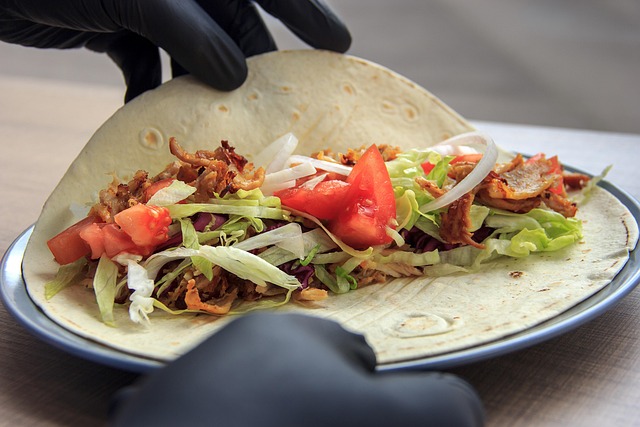
A plain tortilla is not toxic to dogs. If your dog ate a piece of a plain corn or flour tortilla, this is not a situation that calls for worry — it’s a refined-grain carbohydrate, and a small amount is harmless to a healthy dog.
So why is this page marked Caution rather than Safe? Because “tortilla” covers a much wider range of products than the plain flatbread. The Caution is category-driven — it comes from the variants, not the baseline:
- Plain tortilla: low concern. A calorie and portion consideration, not a toxicity one.
- Garlic- or onion-seasoned wraps: a genuine allium hazard — the real toxicological concern in this category.
- Tortilla chips: fried, salted, and often seasoned — the highest-salt, highest-fat form.
- Low-carb / “keto” tortillas: worth a label check for sweeteners.
- Raw tortilla dough: commonly confused with the pizza dough emergency — but, importantly, it is a different situation.
Read the plain-tortilla answer as reassuring, and treat the rest of this page as the map of where the category’s real variation lies. Tortillas sit in the same everyday grain-snack space as crackers and bread — foods that are fine in principle and turn on their added ingredients.
Plain Tortillas — the Baseline (Low Concern)
For a plain, unseasoned tortilla, veterinary-adjacent nutrition guidance is consistent and calm. The AKC’s people-foods guidance notes that small amounts of plain bread and grains “won’t hurt your dog,” and that grains such as wheat and corn are legitimate sources of fiber and nutrients — dogs do not need to be grain-free. PetMD’s guidance on plain grain products makes the same point from the other direction: a typical piece of plain bread “isn’t toxic to dogs, and eating a little here and there won’t hurt them,” but it adds little nutrition and is mostly refined carbohydrate.
That’s the honest frame for a plain tortilla:
- Not toxic. No allium, no acute hazard in the plain product.
- Nutritionally empty. Refined carbohydrate with little benefit for a dog. Fed regularly, that surplus contributes to weight gain — the same obesity/weight concern that applies to any refined-carb human snack.
- Portion, not poison. A torn-off piece as an occasional share is fine for a healthy dog. A whole tortilla to a small dog is a large carbohydrate load for its size, and a habit is the thing to avoid, not the one-off.
(Neither the AKC nor PetMD publishes a tortilla-specific page; we apply their plain-grain/bread guidance here and flag that openly — see how we work.)
Seasoned and Flavoured Tortillas — the Real Concern
This is where the Caution earns its place. Many flavoured tortilla products — garlic-herb wraps, “everything”-style flatbreads, taco-seasoned and nacho-seasoned tortilla chips — contain garlic powder and/or onion powder. Both are members of the Allium family, and both are genuinely toxic to dogs.
The mechanism is well established. The Merck Veterinary Manual describes garlic and onion (and their dehydrated and granulated forms — i.e. the powders used in seasoning) as causing Heinz-body hemolytic anemia: the compounds damage red blood cells, which are then destroyed faster than the body can replace them. Merck notes that garlic is roughly 3–5 times more toxic than onion by weight, and that dried/powdered forms are concentrated relative to the fresh vegetable. The ASPCA lists onion and garlic among the people-foods to avoid for the same reason.
Calibrating the real-world risk honestly: the amount of allium powder in a seasoned tortilla is usually small — a flavouring level, not a filling. A healthy medium or large dog that eats one garlic-herb wrap is unlikely to reach a toxic dose. The risk scales with three things: how heavily the product is seasoned, how much the dog eats, and how small the dog is. A small dog that works through a bag of garlic-and-onion-seasoned tortilla chips is the scenario that matters — and because allium damage can be cumulative, repeated seasoned exposures are more concerning than the single amount alone suggests. The practical rule: don’t give seasoned or flavoured tortillas or chips deliberately, and take a small dog’s larger seasoned exposure seriously.
Related allium pages: garlic, onions, and garlic powder.
Tortilla Chips — Salt and Fat
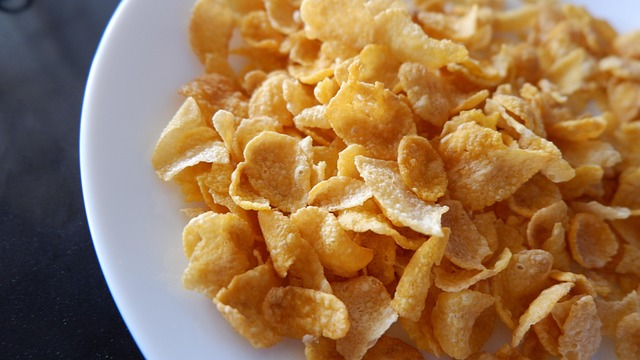
Tortilla chips deserve separate treatment from soft tortillas. They are fried (so higher in fat), salted (so higher in sodium), and frequently seasoned (so they carry the allium concern above).
Salt: a 1-ounce serving of tortilla chips typically carries roughly 110–220 mg of sodium, with taco- and nacho-flavoured varieties at the higher end. That is not an acute salt-toxicosis dose at a few chips — clinical salt poisoning requires far higher intakes relative to body weight — but it adds up quickly across a handful, matters more for a small dog, and is genuinely relevant for any dog on a vet-prescribed low-sodium (cardiac or renal) diet. See the salt page for full sodium-threshold context.
Fat: frying gives chips a meaningfully higher fat load than a soft tortilla. For most dogs a few chips is a minor indulgence, not a pancreatitis trigger — but the fat, salt, and frequent seasoning together are why “a whole bowl of nacho chips” is a genuinely poor idea, especially for small dogs.
Hard taco shells are essentially fried corn tortillas and carry a similar fat profile to chips — see the dedicated page for their specifics.
Low-Carb and “Keto” Tortillas — Read the Label
Some low-carb and “keto” tortilla products use alternative sweeteners for taste and texture. Because xylitol is highly toxic to dogs even in small amounts — the concern that dominates the xylitol and peanut butter pages — it’s worth knowing whether it turns up here.
The reassuring finding: it generally doesn’t. As of July 2026, the market-leading low-carb line, Mission Carb Balance, is sweetened with steviol glycosides (stevia) and, in some variants, sucralose — not xylitol. Other keto tortilla brands typically use stevia, monk fruit, or erythritol. As with the yogurt page, the popular “sugar-free means xylitol” assumption overstates how common xylitol actually is in these products.
That said, formulations change and niche products vary, so the discipline is simple: on any sugar-free, “keto,” or low-carb tortilla, read the ingredient list and rule out xylitol (sometimes labelled “birch sugar”). If xylitol is present, treat it as the serious hazard it is, not as a tortilla question.
Corn vs. Flour Tortillas
There is no meaningful toxicological difference between corn and flour tortillas — neither grain is a hazard to dogs. The difference is nutritional:
- Corn tortillas are traditionally just masa (nixtamalized corn), water, and a little salt — low in fat and low in sodium. They’re the “cleaner” baseline of the two. (See also corn.)
- Flour tortillas contain added fat. Traditionally that fat was lard; most mainstream commercial products now use vegetable shortening or hydrogenated oils instead. They also tend to run higher in sodium — a single flour tortilla can carry anywhere from ~270 mg (small) to 450–700+ mg (large burrito size), versus roughly 10–50 mg for a corn tortilla.
If you’re going to share a scrap, plain corn is the gentler choice — but neither is a food a dog needs.
Raw Tortilla Dough — Why It’s Not Pizza Dough
This distinction matters, so we’re stating it plainly. The site treats raw pizza dough as an Emergency — the single most serious dough scenario — and it’s important not to let that alarm transfer to tortilla dough, because the underlying hazard is different.
The pizza-dough emergency is driven entirely by yeast. The Merck Veterinary Manual’s bread-dough toxicosis entry describes the mechanism specifically for raw, yeast-based dough: in the warm, moist stomach the yeast keeps replicating, so the dough expands (risking painful gastric distension and, in severe cases, bloat), while fermentation produces ethanol that is absorbed into the bloodstream, causing alcohol intoxication. That is a real, time-critical emergency — but every part of it depends on living yeast fermenting.
Traditional tortilla dough has no yeast. Corn tortillas are masa and water; flour tortillas are flour, water, fat, and a chemical leavener (baking powder/soda) at most — none of which ferment or rise in the stomach the way yeast dough does. So the expansion-and-ethanol mechanism that makes pizza dough an emergency does not apply to tortilla dough.
That is not the same as “eat all you like.” A dog that swallows a large wad of any raw dough can still get an upset stomach, and a big enough mass could cause a mechanical obstruction. But raw tortilla dough is a monitor-and-manage situation, not the call-your-vet-now scenario that yeast-risen pizza or bread dough is. If you’re ever unsure whether a dough contained yeast, treat it as the more serious case and call your vet.
Symptoms to Watch For
For a plain tortilla, most dogs show nothing at all. When tortillas (or their variants) do cause problems, the signs fall into three groups:
Digestive upset (any variant, usually from too much or from the fat/salt of chips):
- Vomiting
- Diarrhoea
- Abdominal discomfort
- Excessive thirst (linked to the salt in chips or flavoured wraps)
Allium toxicity (from garlic-/onion-seasoned products — can be delayed by a few days):
- Lethargy, weakness
- Pale gums
- Rapid breathing or elevated heart rate
- Reddish or brown urine
- Reduced appetite
Salt, at large quantities only:
- Marked thirst and urination
- Vomiting, diarrhoea
- In serious cases, tremors or weakness
Allium signs in particular can take a day or more to appear, so a dog that ate a quantity of garlic-/onion-seasoned chips warrants watching over the following days even if it seems fine at first.
For preparedness
ARCA Pet First Aid Kit
Most tortilla incidents in healthy dogs resolve on their own — but for the less routine cases (a small dog into a bag of seasoned chips, or an upset stomach after a large share), having a first aid kit on hand is a small, sensible bit of preparedness. It bridges the gap between an incident and getting to your vet.
View on Amazon →What To Do
Dog ate a piece of plain tortilla (corn or flour): No action needed for a healthy dog. Make water available. Don’t make it a routine snack.
Dog ate a garlic- or onion-seasoned wrap or seasoned/nacho/taco chips: Note how much and how heavily seasoned, and the dog’s size. A large or heavily seasoned amount — or any significant amount in a small dog — warrants a call to your vet or a poison line (Pet Poison Helpline / ASPCA APCC), and watching for allium signs (pale gums, lethargy, discoloured urine) over the next few days.
Dog ate a lot of tortilla chips: Monitor for GI upset and excessive thirst from the salt and fat. Make water available. Call your vet if there’s persistent vomiting/diarrhoea, or sooner for a small dog or one on a low-sodium diet.
Dog ate a low-carb / “keto” tortilla: Check the label for xylitol (a.k.a. “birch sugar”). If present, call your vet or a poison line promptly — xylitol is treated as urgent regardless of the tortilla. If not, treat as a plain tortilla.
Dog ate raw tortilla dough: If the dough contained no yeast (standard corn or flour tortilla dough), monitor for stomach upset and watch for signs of an obstruction from a large mass. If you can’t rule out yeast, or the dough was rising, treat it as the pizza dough emergency and call your vet now.
Frequently Asked Questions
This FAQ summarises general veterinary and nutrition guidance. It’s informational only and not a substitute for advice from your own vet, who knows your dog.
Are tortillas toxic to dogs?
Plain tortillas are not toxic. The genuine toxicity risk in this category comes from added garlic and onion in seasoned wraps and flavoured chips — not from the tortilla itself.
Why do some sites treat tortillas as dangerous?
Because the word “tortilla” is doing a lot of work. Guides that flag tortillas as risky are usually — correctly — worried about seasoned varieties and tortilla chips, where garlic/onion powder, salt, and fat come in. Applied to a plain corn or flour tortilla, the “dangerous” framing overstates it. The accurate version isn’t “tortillas are bad for dogs,” it’s “the plain flatbread is a low-value snack, and the seasoned and fried versions are where the real concerns live.”
Are corn tortillas safer than flour tortillas?
Neither is toxic. Corn tortillas are the gentler choice nutritionally — typically lower in fat and sodium — while flour tortillas contain added fat (often vegetable shortening or lard) and usually more salt. The difference is nutritional, not a toxicity gap.
Can dogs eat tortilla chips?
Best avoided as a snack. They’re salty, fatty, and often seasoned with garlic or onion. A stray plain chip won’t hurt a healthy dog, but a bowl of seasoned chips — especially for a small dog — is the scenario to prevent.
Is raw tortilla dough dangerous like raw pizza dough?
No, not in the same way. The pizza-dough emergency is caused by yeast fermenting in the stomach (expansion plus alcohol production). Traditional tortilla dough is unleavened — it has no yeast — so that mechanism doesn’t apply. A large amount can still cause stomach upset or, rarely, an obstruction, but it is not the acute emergency that rising yeast dough is. If you’re unsure whether a dough had yeast, treat it as the serious case.
My dog ate a plain tortilla — should I worry?
For a healthy dog, no. Make sure it was plain (no garlic/onion seasoning, no xylitol in a low-carb product), keep water available, and don’t make tortillas a habit.
For Further Reading
For further reading
The Forever Dog by Rodney Habib and Karen Becker
A well-regarded reference covering canine nutrition, health, and longevity — for dog owners interested in a deeper look at the choices behind their dog's diet and everyday snacking decisions.
View on Amazon →About This Guide
This guide was researched and written by Claire Donnelly for Is It Safe For My Dog?. We are not veterinarians. Each guide is compiled from published, publicly accessible veterinary and toxicology sources — for this page, the American Kennel Club, PetMD, the ASPCA, and the Merck Veterinary Manual — and cross-checked before publication. Because neither the AKC nor PetMD publishes a tortilla-specific article, we apply their plain-grain and bread guidance to tortillas and say so openly. This is general information to help you understand the risk; it does not replace a consultation with your vet.
Sources for the figures on this page
- American Kennel Club — People Foods Dogs Can and Can’t Eat (plain bread and grains fine in small amounts, “won’t hurt your dog… as long as it contains no spices”; grains such as wheat and corn are legitimate nutrient sources; garlic and the Allium family flagged as toxic; excess salt cautioned; applied here as the plain-grain baseline and allium framework, no AKC tortilla page existing)
- PetMD — Can Dogs Eat Bread? (plain grain products “isn’t toxic… eating a little here and there won’t hurt them,” but nutritionally unnecessary refined carbohydrate with obesity risk if fed regularly; lists xylitol, garlic, onion, and raisins as additives to avoid and salt as a non-toxic-but-not-good ingredient; applied here as the closest live grain analog, no PetMD tortilla page existing)
- ASPCA Animal Poison Control — People Foods to Avoid Feeding Your Pets (onion and garlic listed as hazards; excess salt associated with increased thirst/urination and electrolyte disturbance; applied here for the allium and salt framework)
- Merck Veterinary Manual — Garlic and Onion (Allium spp) Toxicosis in Animals (raw, cooked, dehydrated, and granulated onion/garlic cause Heinz-body hemolytic anemia; garlic approximately 3–5× more toxic than onion; dried/powdered forms concentrated; applied here to the seasoned-variant allium concern)
- Merck Veterinary Manual — Bread Dough Toxicosis in Animals (toxicosis specific to raw, yeast-based dough; yeast replication causes gastric expansion and fermentation produces ethanol/intoxication; applied here to establish that unleavened tortilla dough does not carry the pizza-dough mechanism)
- Sodium and formulation figures — per-item sodium (flour tortilla ~270 mg small to 450–700+ mg large; corn tortilla ~10–50 mg; tortilla chips ~110–220 mg per 1-oz serving) and low-carb sweetener/fat composition (e.g., Mission Carb Balance sweetened with steviol glycosides/sucralose, not xylitol; corn tortillas largely fat-free vs. flour tortillas containing shortening or lard) are drawn from published product nutrition data and manufacturer ingredient listings current at time of writing; no single manufacturer URL is cited as a veterinary source
This page is informational only and does not constitute veterinary or medical advice.