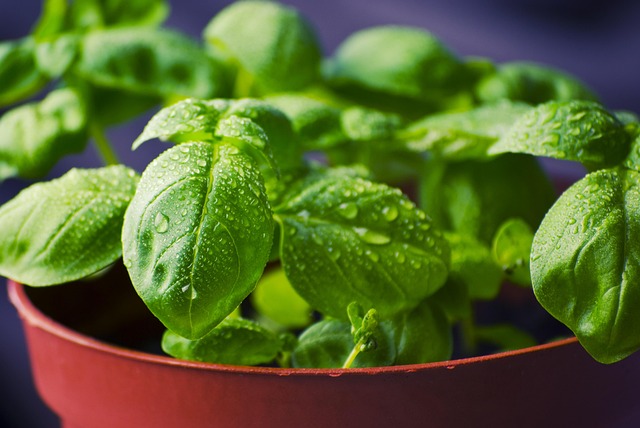
 Safe
Safe Basil
Veterinary nutrition sources generally classify basil as non-toxic to dogs, noting that plain, fresh basil is usually well tolerated in small amounts.
Read full guide →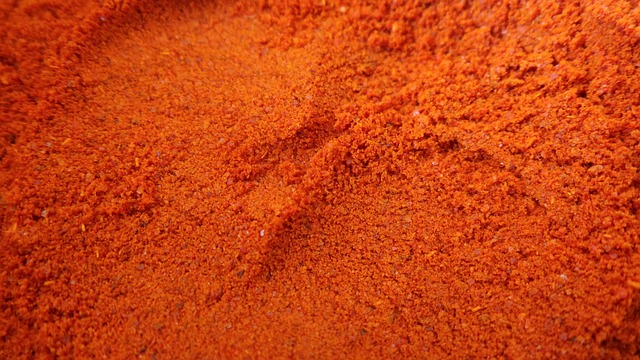 Caution
 Chili Powder
Veterinary pet-care sources state that chili powder is not toxic to dogs, but it contains capsaicin and other spices that are irritating and commonly associated with digestive and oral discomfort.
Read full guide →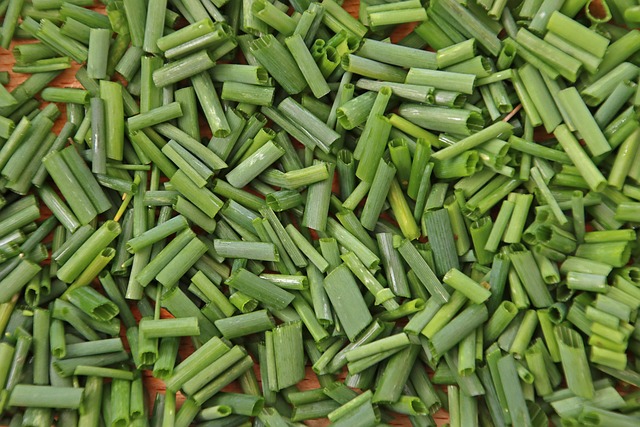 Toxic
Toxic Chives
Veterinary toxicology sources classify chives as toxic to dogs because they belong to the Allium family and contain compounds that can damage red blood cells.
Read full guide →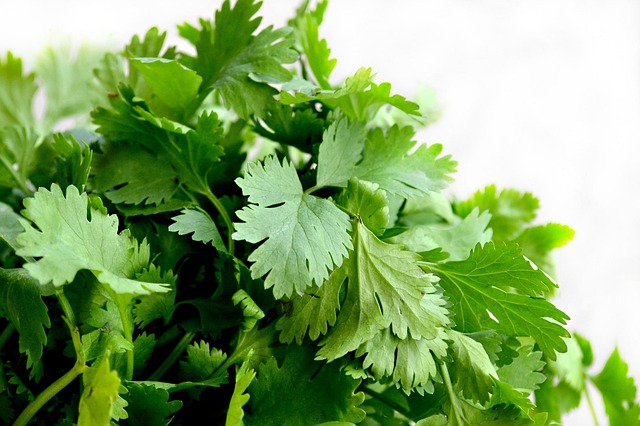 Caution
 Cilantro
Veterinary pet-care sources state that cilantro is not toxic to dogs, but its strong flavour and plant compounds may cause digestive upset or aversion in some dogs.
Read full guide → Caution
 Cinnamon
Veterinary organisations state that cinnamon is not toxic to dogs, but large amounts or concentrated forms may cause irritation or digestive upset.
Read full guide →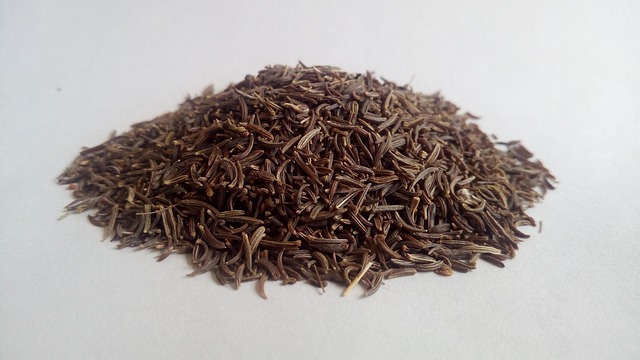 Caution
 Cumin
Veterinary pet-care sources state that cumin is not toxic to dogs, but as a concentrated spice it may irritate the digestive system and is often present in seasoned foods with other unsuitable ingredients.
Read full guide →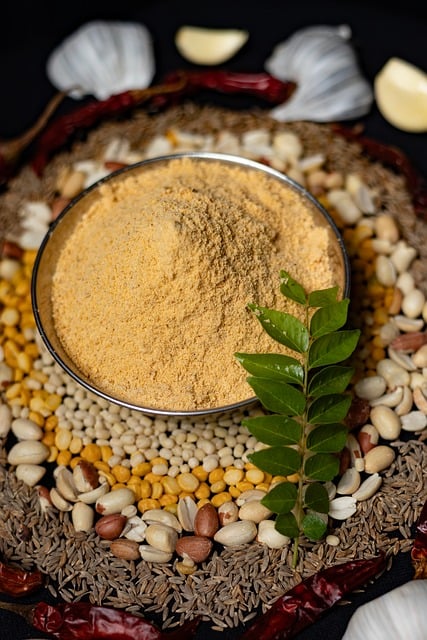 Caution
 Curry Powder
Veterinary pet-care sources state that curry powder is not toxic to dogs, but it is a concentrated spice blend that commonly causes digestive irritation and often contains ingredients unsuitable for dogs.
Read full guide →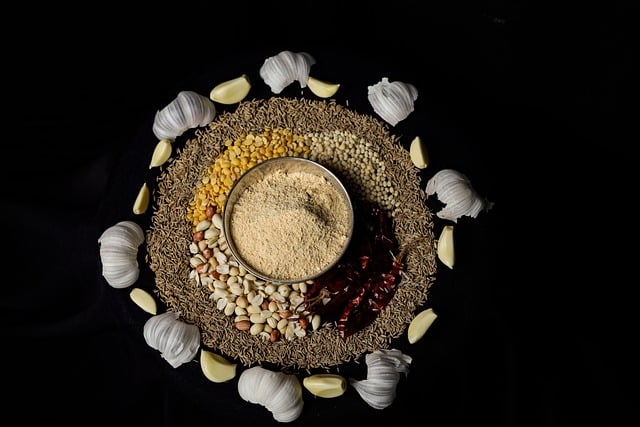 Toxic
Toxic Garlic Powder
Veterinary toxicology sources classify garlic powder as toxic to dogs, noting that powdered forms are highly concentrated and retain the same red blood cell–damaging compounds as fresh garlic.
Read full guide →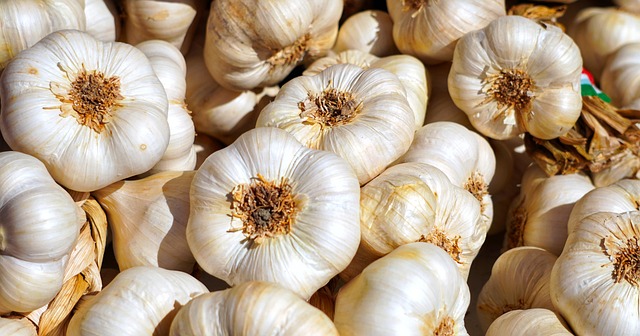 Toxic
Toxic Garlic
Veterinary toxicology sources classify garlic as toxic to dogs in all forms, as it contains compounds that damage red blood cells and can lead to anaemia.
Read full guide →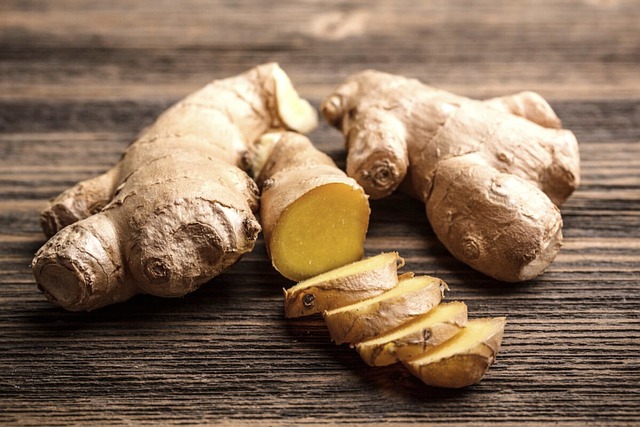 Caution
 Ginger
Veterinary and pet-nutrition sources generally describe ginger as non-toxic to dogs, but note potential digestive irritation and concerns related to quantity and preparation.
Read full guide →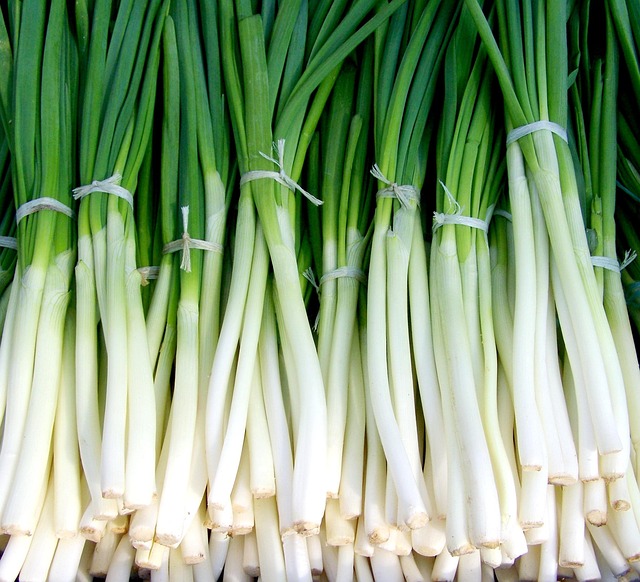 Toxic
Toxic Green Onions
Veterinary toxicology sources classify green onions as toxic to dogs, as they are a form of onion and contain compounds that damage red blood cells.
Read full guide →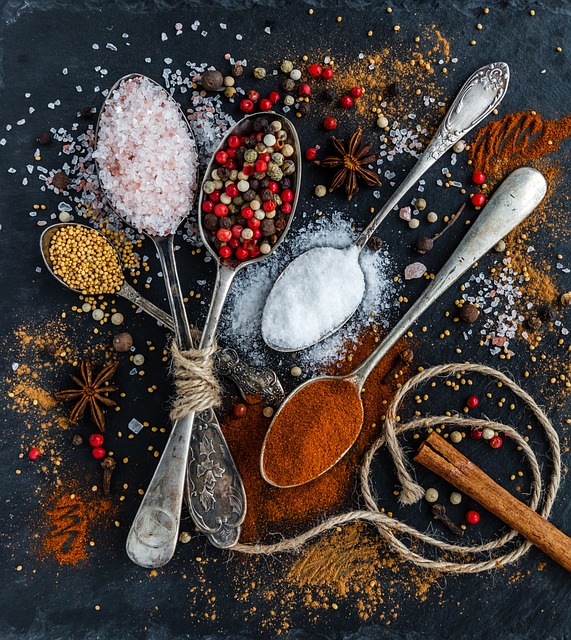 Caution
 Italian Seasoning
Italian seasoning is commonly labelled toxic online, but most mainstream blends are pure herb mixes with no garlic or onion. Two herbs (oregano and marjoram) are mild GI irritants; the other four standard herbs are non-toxic. Check the label for alliums first — that's the real decision point.
Read full guide → Toxic
Toxic Nutmeg
Nutmeg is toxic to dogs — the compound myristicin causes CNS effects including disorientation, raised heart rate, and hallucinations. Learn the real dose threshold, what the symptoms look like, and what to do if your dog ate nutmeg.
Read full guide →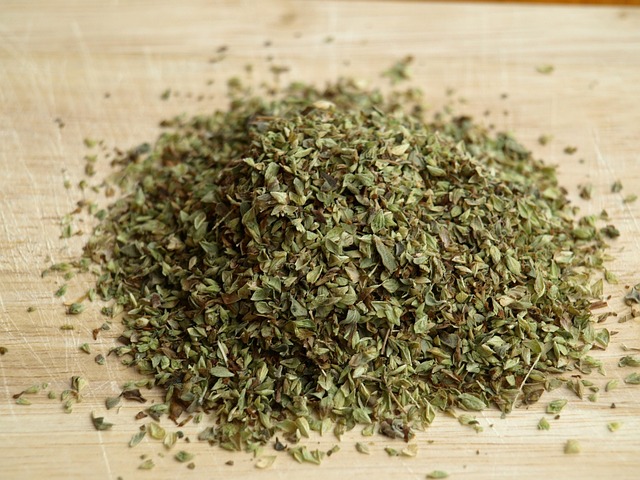 Caution
 Oregano
Veterinary and pet-nutrition sources describe oregano as not toxic to dogs but note potential digestive upset when consumed in larger amounts, with greater concern surrounding concentrated oregano oil.
Read full guide →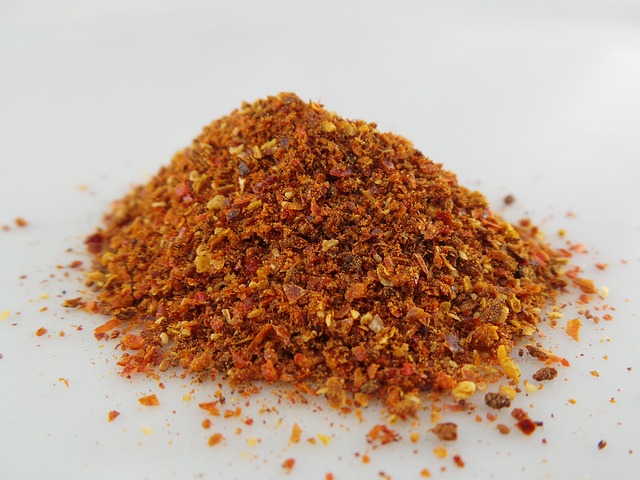 Caution
 Paprika
Veterinary and pet-nutrition sources describe paprika as not toxic to dogs but note that its spice compounds may cause digestive irritation, particularly when consumed in larger amounts or in seasoned foods.
Read full guide →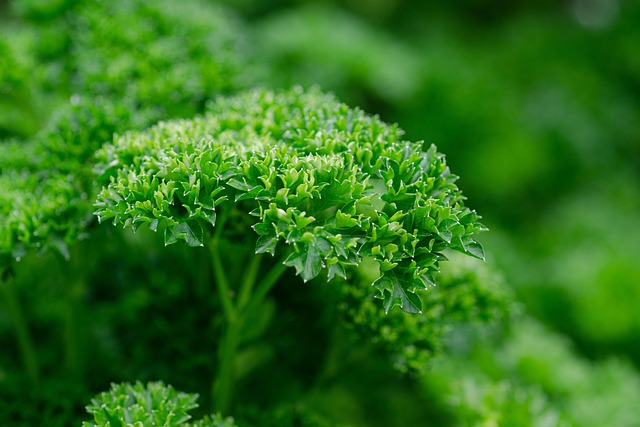 Caution
 Parsley
Veterinary and pet-nutrition sources describe parsley as not toxic to dogs in small culinary amounts but note potential risks when consumed in larger quantities, particularly with certain parsley varieties.
Read full guide →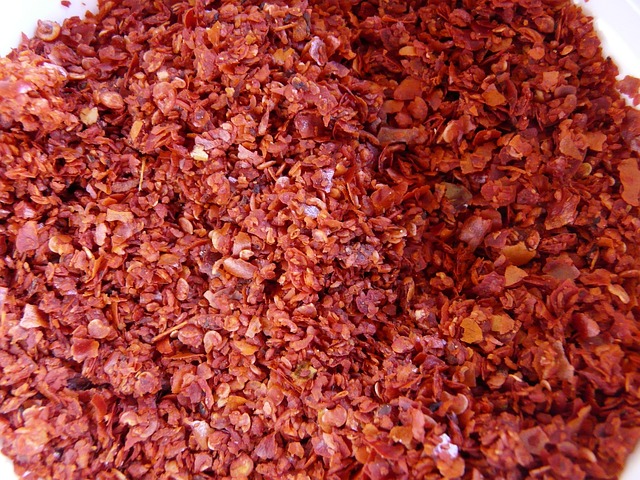 Caution
 Red Pepper Flakes
Veterinary and pet-nutrition sources describe chili peppers and red pepper products as not toxic to dogs but note that capsaicin can cause significant irritation to the mouth, stomach, and digestive tract.
Read full guide →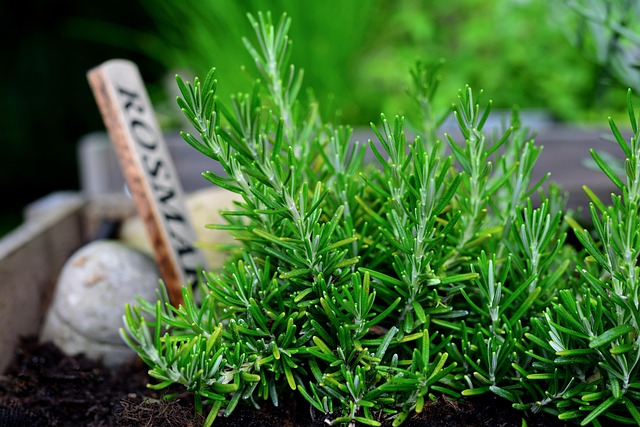 Safe
Safe Rosemary
Veterinary and pet-safety sources describe rosemary as non-toxic to dogs, though large amounts or concentrated forms may cause digestive irritation in some cases.
Read full guide → Toxic
Toxic Salt
Veterinary toxicology sources classify excessive salt intake as dangerous for dogs, with ingestion associated with salt poisoning (sodium ion toxicosis) and serious neurological and systemic effects.
Read full guide →