 Caution
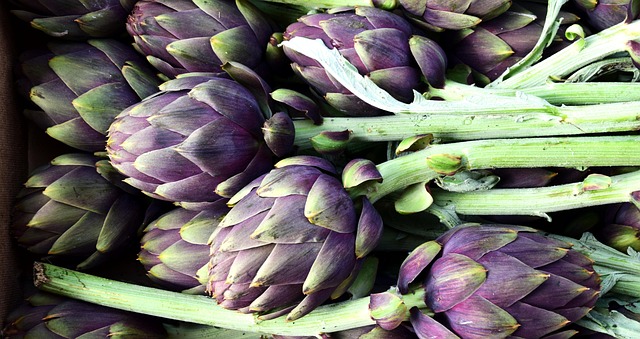
 Artichoke
Artichoke isn't toxic to dogs, and a plain steamed heart is genuinely fine — even mildly good for them. It stays a Caution because that clean form is the minority of how dogs actually meet artichoke: the common forms are marinated jarred hearts (salt, oil, garlic) and spinach-artichoke dip (cheese, garlic, fat), plus the tough leaves and fibrous choke are a real mechanical hazard. The vegetable's fine; the way it usually shows up isn't.
Read full guide →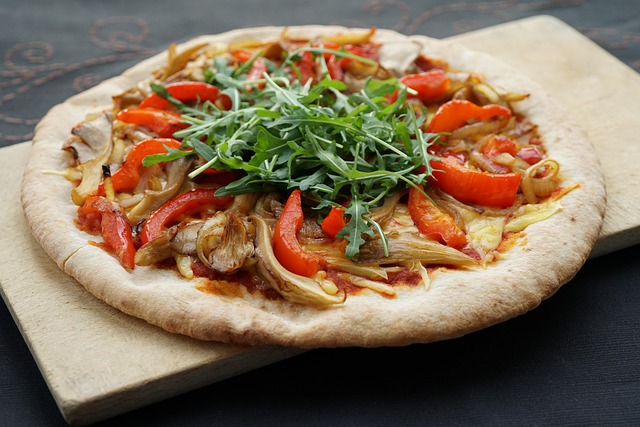 Safe
Safe Arugula
Veterinary nutrition sources generally classify arugula as non-toxic to dogs, while noting that its strong flavour and fibre content may cause mild digestive upset in some dogs.
Read full guide →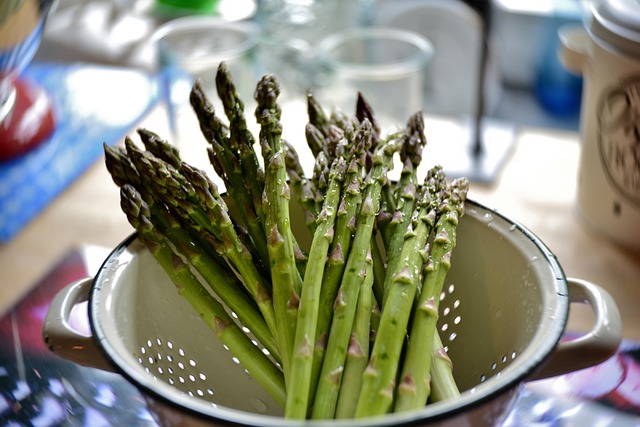 Caution
 Asparagus
Veterinary nutrition sources generally classify asparagus as non-toxic to dogs, while noting that its tough texture and preparation methods may cause digestive or choking concerns.
Read full guide →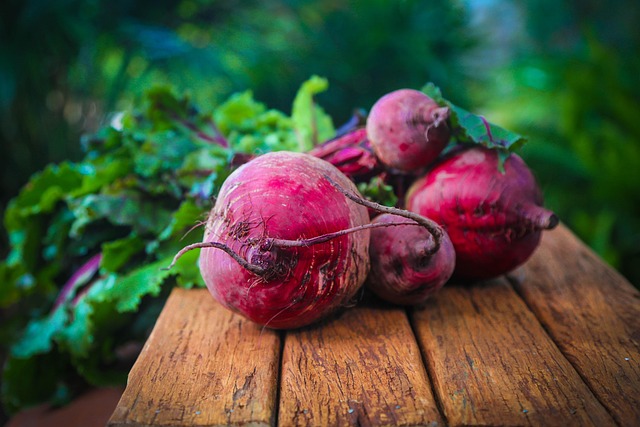 Caution
 Beets
Veterinary nutrition sources generally classify beets as non-toxic to dogs, while noting concerns related to sugar content, oxalates, and digestive tolerance.
Read full guide →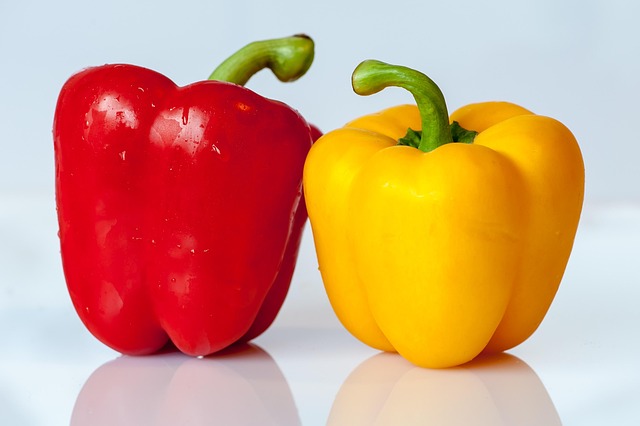 Safe
Safe Bell Peppers
Veterinary nutrition sources generally classify bell peppers as safe for dogs when eaten plain, noting that they are not toxic and are commonly discussed as a low-risk vegetable.
Read full guide →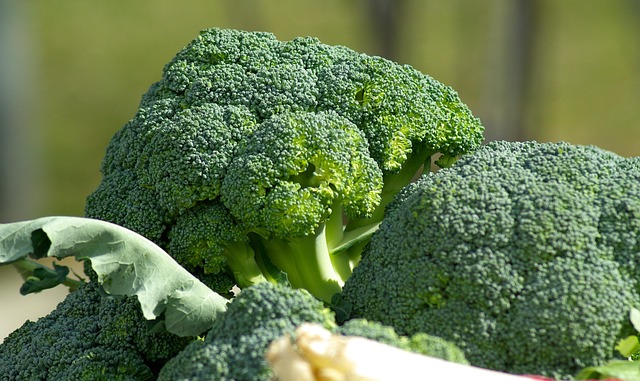 Caution
 Broccoli
Veterinary pet-care sources generally state that broccoli is not toxic to dogs, but it contains compounds that may cause digestive irritation, especially when eaten in larger amounts.
Read full guide →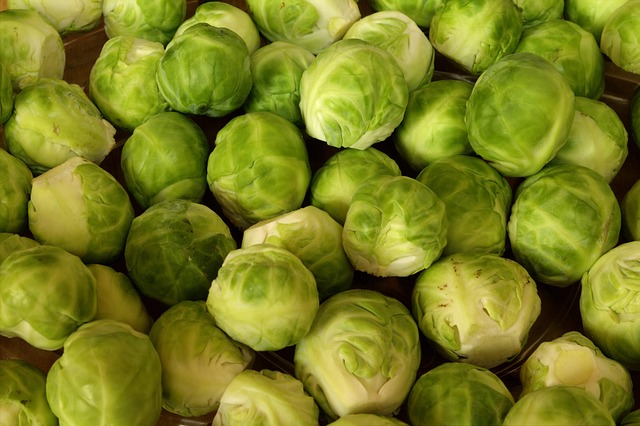 Caution
 Brussels Sprouts
Veterinary pet-care sources state that Brussels sprouts are not toxic to dogs, but they contain compounds that can cause digestive upset, particularly gas, in some dogs.
Read full guide →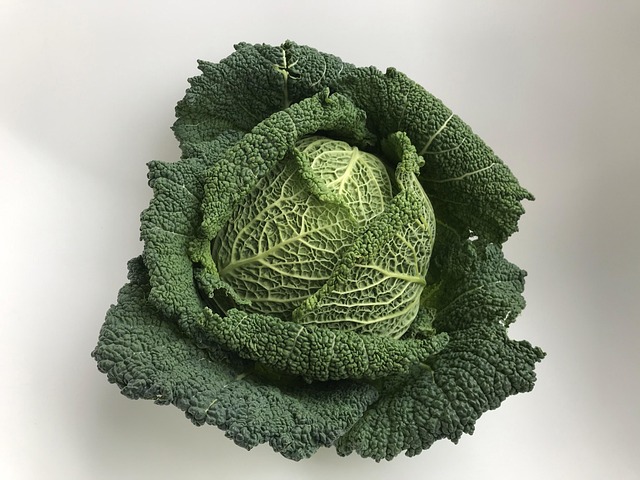 Caution
 Cabbage
Veterinary pet-care sources state that cabbage is not toxic to dogs, but it contains compounds that may cause gas and digestive discomfort, particularly when larger amounts are consumed.
Read full guide →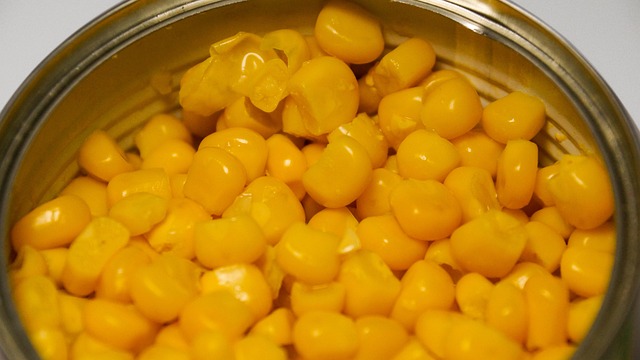 Caution
 Canned Corn
Veterinary pet-care sources state that corn itself is not toxic to dogs, but canned corn often contains added salt or other ingredients that may contribute to digestive upset or other health concerns.
Read full guide →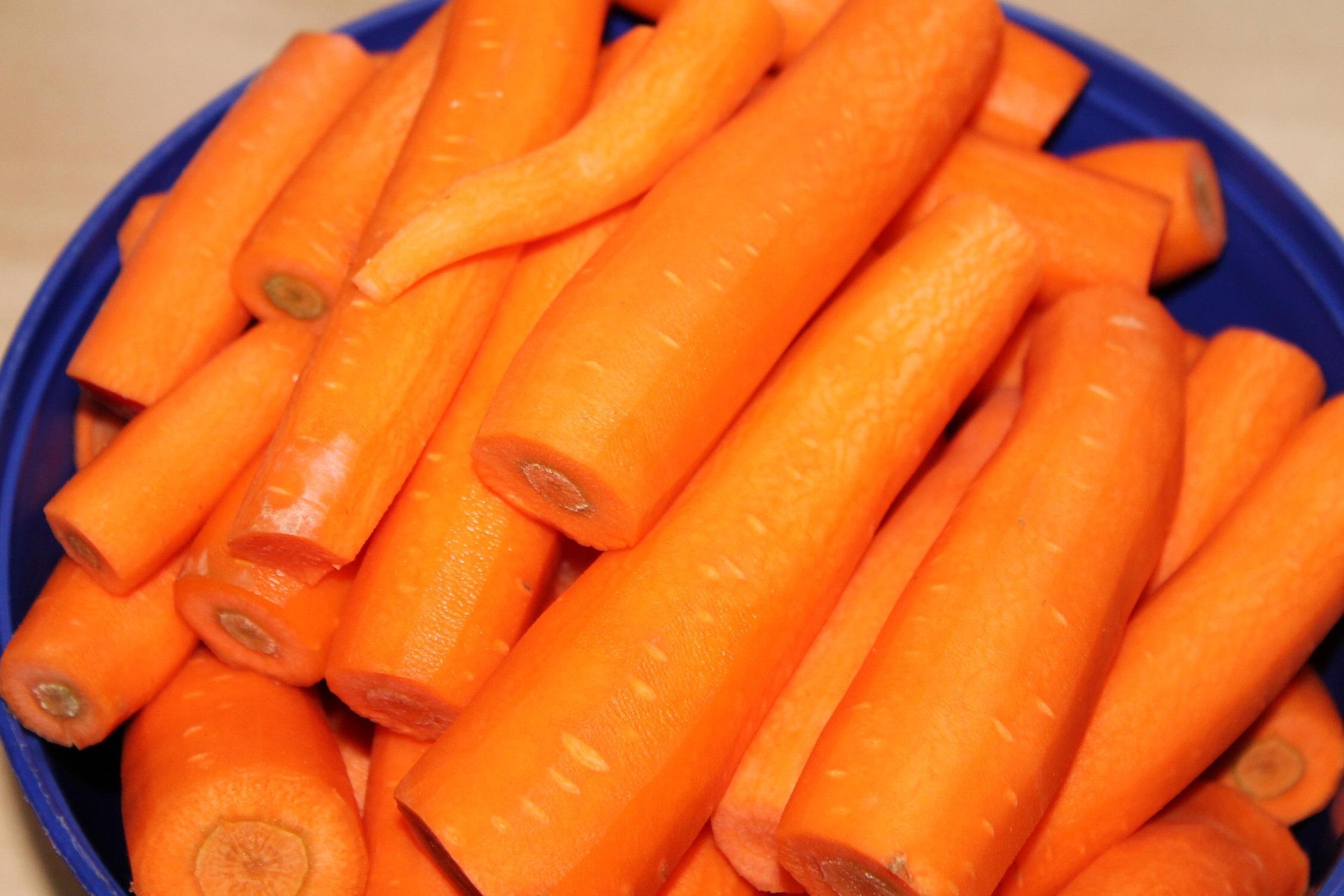 Safe
Safe Carrots
Veterinary organisations commonly describe carrots as safe for dogs and note that they are low in calories and contain fibre and vitamins.
Read full guide →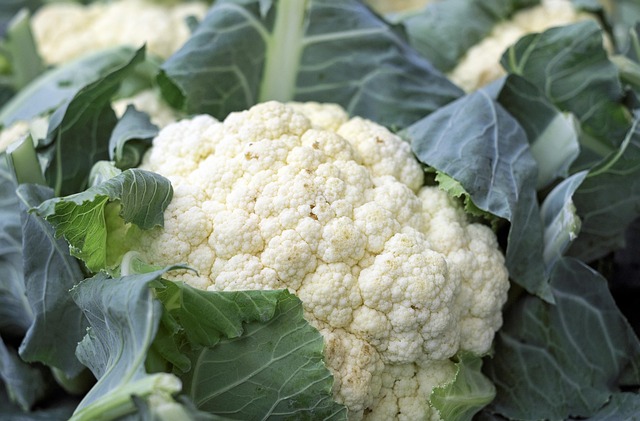 Caution
 Cauliflower
Veterinary pet-care sources state that cauliflower is not toxic to dogs, but it contains compounds that may cause gas and digestive discomfort, particularly when larger amounts are consumed.
Read full guide →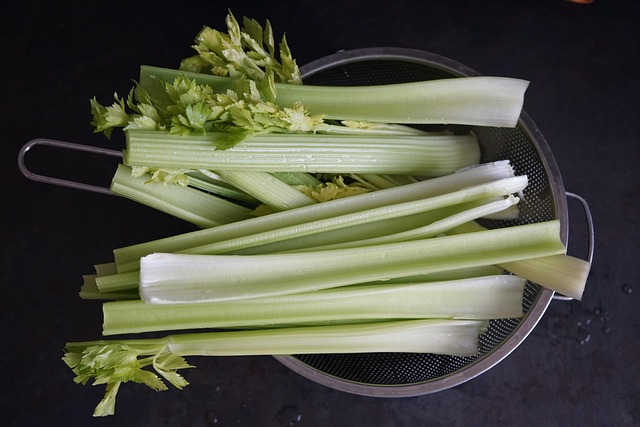 Caution
 Celery
Veterinary pet-care sources state that celery is not toxic to dogs, but its fibrous texture and natural sodium content may cause digestive upset or choking concerns in some dogs.
Read full guide →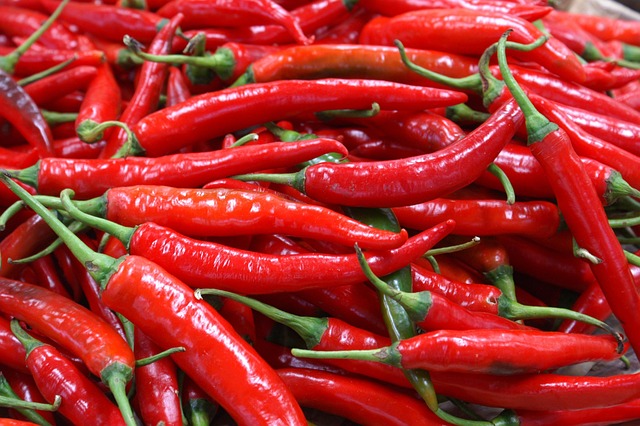 Caution
 Chili Peppers
Veterinary pet-care sources state that chili peppers are not toxic to dogs, but the capsaicin they contain is irritating and commonly associated with digestive and oral discomfort.
Read full guide →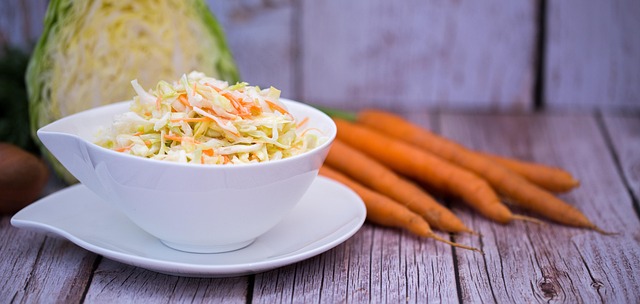 Caution
 Coleslaw
Coleslaw isn't a single toxic food, and the cabbage base is actually harmless. The real questions are in the dressing and the add-ins: coleslaw usually contains real onion (genuinely toxic to dogs), a high-fat mayonnaise base, and added sugar — and some versions add raisins, which are in a completely different, far more dangerous league than everything else in the bowl.
Read full guide →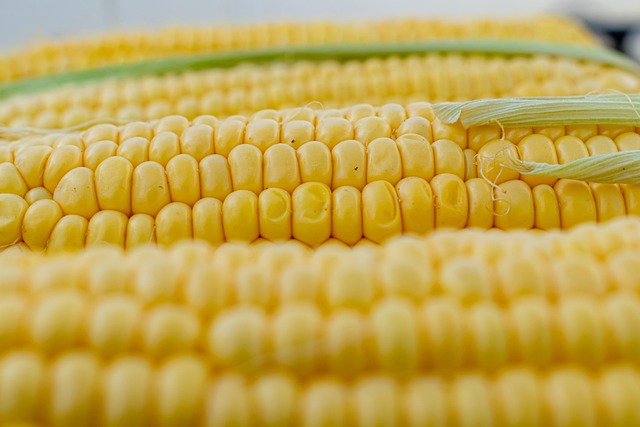 Caution
 Corn
Veterinary pet-care sources state that corn kernels are not toxic to dogs, but corn cobs present a serious choking and intestinal obstruction risk.
Read full guide →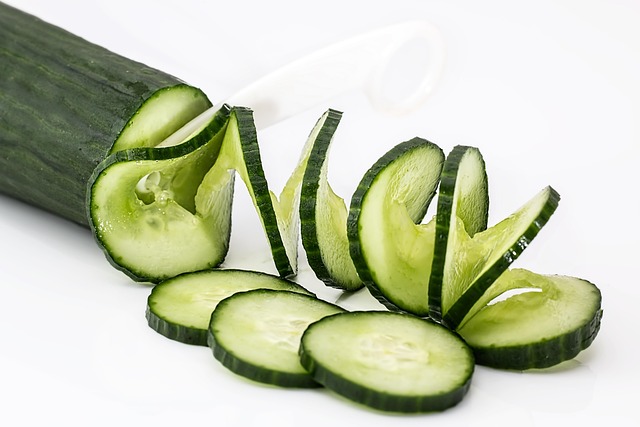 Safe
Safe Cucumber
Veterinary pet-care sources state that plain cucumber is safe for dogs. It is low in calories and does not contain compounds associated with toxicity.
Read full guide →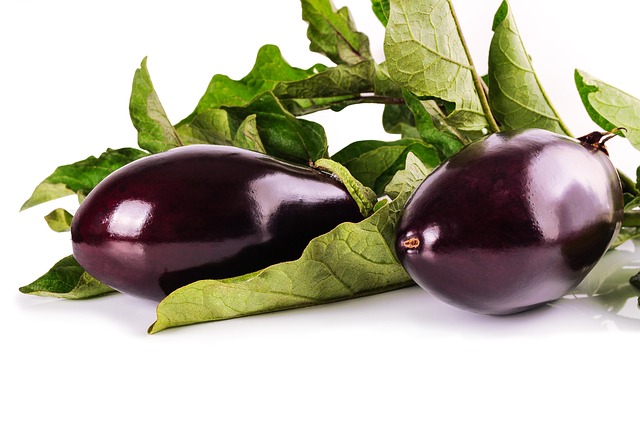 Caution
 Eggplant
Veterinary pet-care sources state that eggplant is not toxic to dogs, but it belongs to the nightshade family and may cause digestive upset or reactions in some dogs.
Read full guide →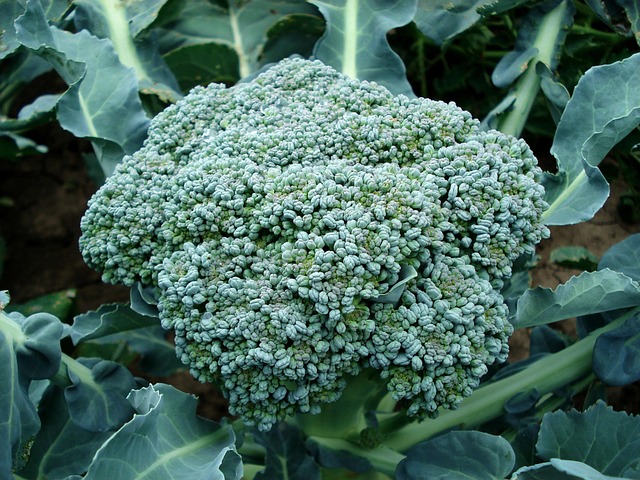 Caution
 Frozen Broccoli
Veterinary and pet-nutrition sources generally describe plain broccoli as non-toxic to dogs, but note potential digestive upset and concerns related to preparation and portion size.
Read full guide →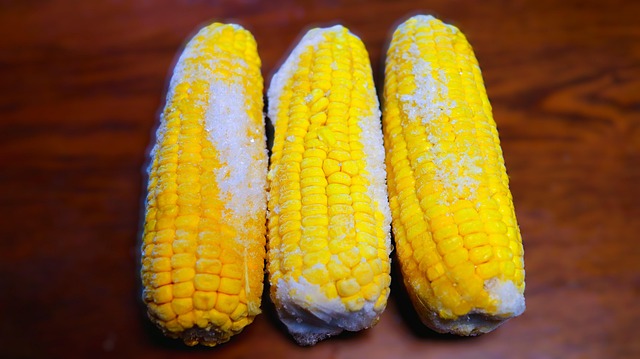 Caution
 Frozen Corn
Veterinary and pet-nutrition sources generally describe plain corn kernels as non-toxic to dogs, but note digestive concerns and serious risks associated with corn cobs and processed forms.
Read full guide →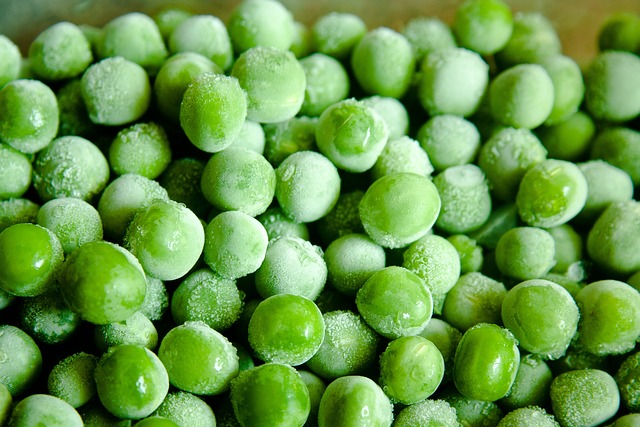 Caution
 Frozen Peas
Veterinary and pet-nutrition sources generally describe plain peas as non-toxic to dogs, but note digestive concerns and ingredient-related risks in processed or seasoned products.
Read full guide →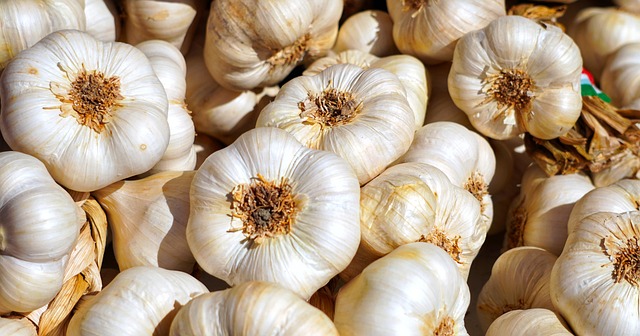 Toxic
Toxic Garlic
Garlic is toxic to dogs and the most potent allium — roughly 3–5× stronger than onion by weight, and garlic powder is more concentrated still (1 tsp ≈ 8 cloves). It causes the same delayed haemolytic anaemia. The 'garlic is a natural flea treatment' claim is a myth the evidence doesn't support.
Read full guide →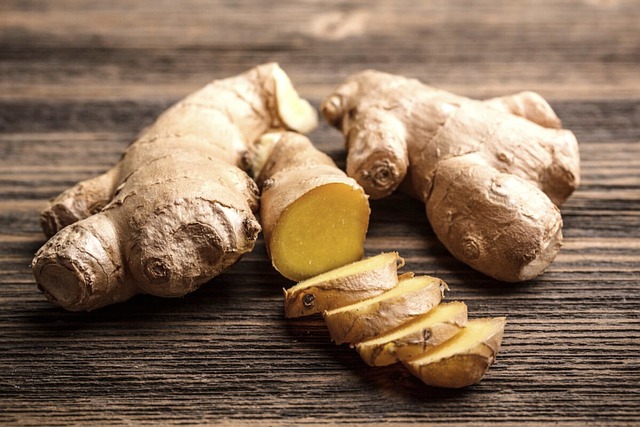 Caution
 Ginger
Veterinary and pet-nutrition sources generally describe ginger as non-toxic to dogs, but note potential digestive irritation and concerns related to quantity and preparation.
Read full guide →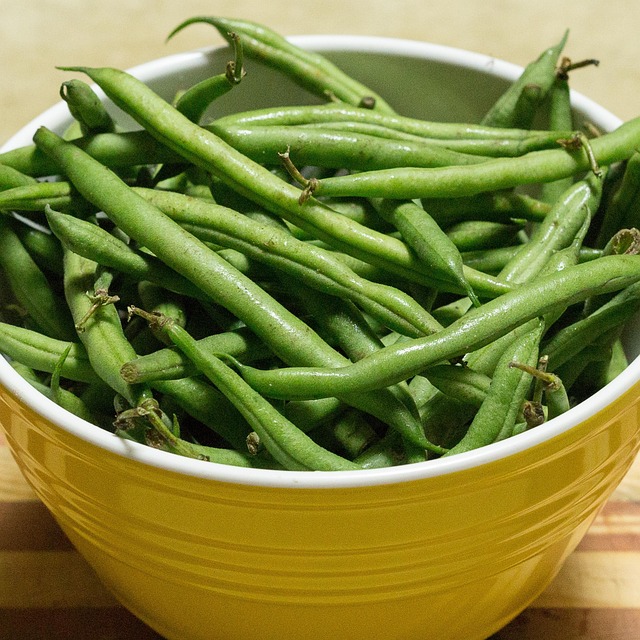 Safe
Safe Green Beans
Veterinary and pet-nutrition sources generally describe plain green beans as safe for dogs, noting that they are low in calories and not associated with toxicity when prepared without added ingredients.
Read full guide →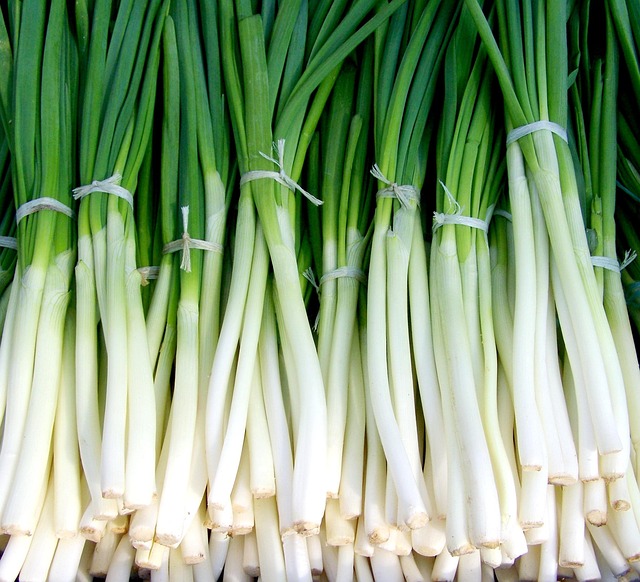 Toxic
Toxic Green Onions
Green onions (scallions) are toxic to dogs — they're young onions, same allium hazard. The nuance most content misses: they're milder in allium per gram than mature bulb onions, but they're eaten raw in larger garnish quantities, so real-world exposure can actually be higher than you'd expect.
Read full guide →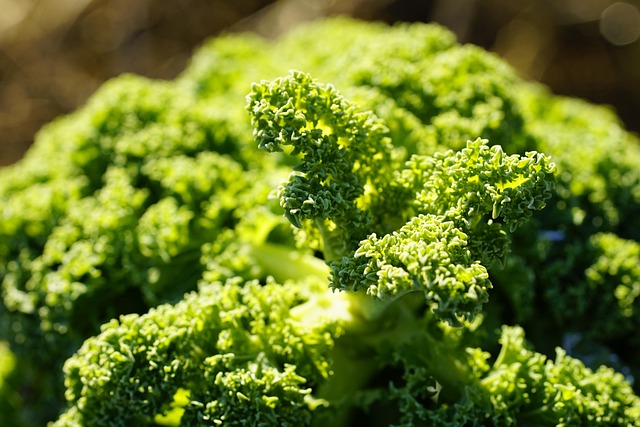 Caution
 Kale
Veterinary and pet-nutrition sources generally describe kale as non-toxic to dogs, but note concerns related to oxalates and naturally occurring compounds that may affect digestion or urinary health.
Read full guide →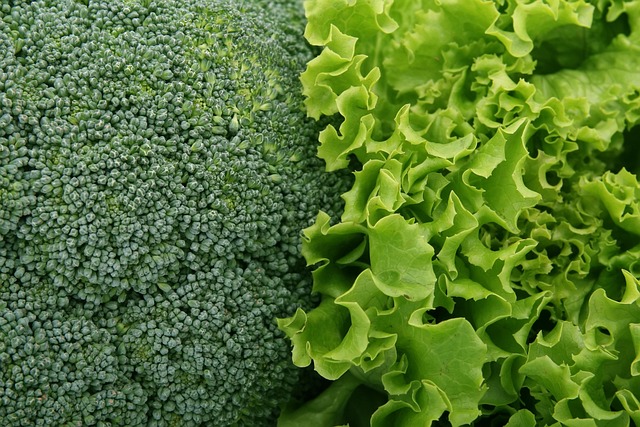 Caution
 Leafy Greens
Veterinary and pet-nutrition sources generally describe many leafy greens as non-toxic to dogs, but note risks related to oxalates, fibre content, and preparation methods, which vary by plant.
Read full guide →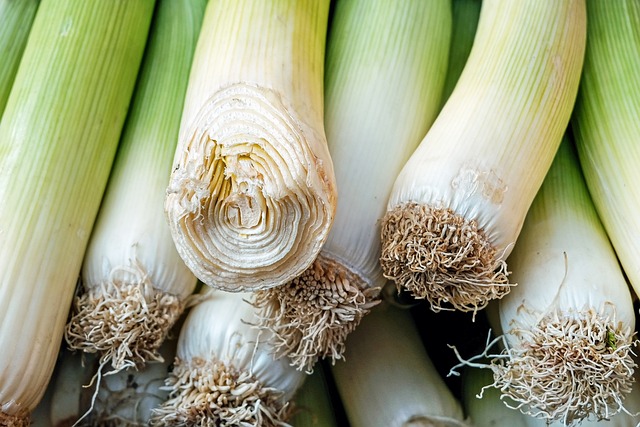 Toxic
Toxic Leeks
Leeks are toxic to dogs — the same allium hazard as onions and garlic. Real-world poisoning is less common than with onions or garlic, but only because leeks are less often shared with dogs, not because they're any less toxic gram-for-gram.
Read full guide →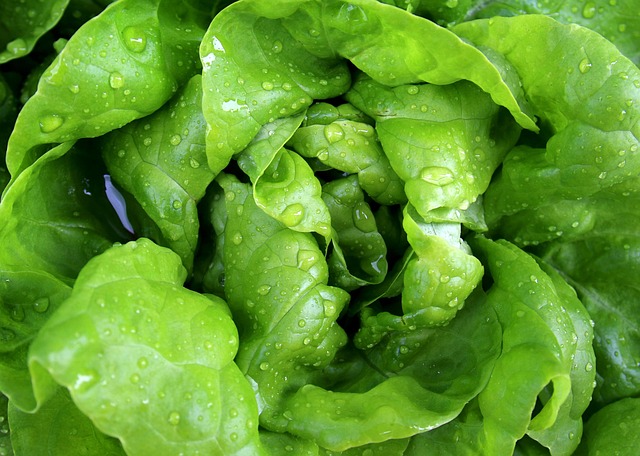 Safe
Safe Lettuce
Veterinary and pet-nutrition sources generally classify lettuce as safe for dogs, noting that it is non-toxic and low in calories, with potential for mild digestive effects in some cases.
Read full guide →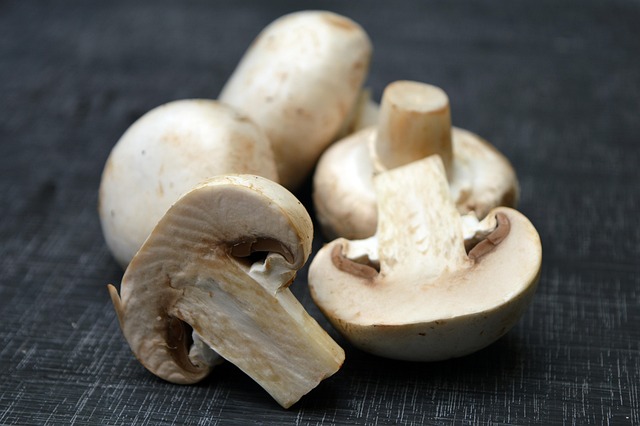 Caution
 Mushrooms
Veterinary toxicology sources explain that some mushrooms are highly toxic to dogs, while others are not, making mushrooms as a category unsafe due to identification risk.
Read full guide →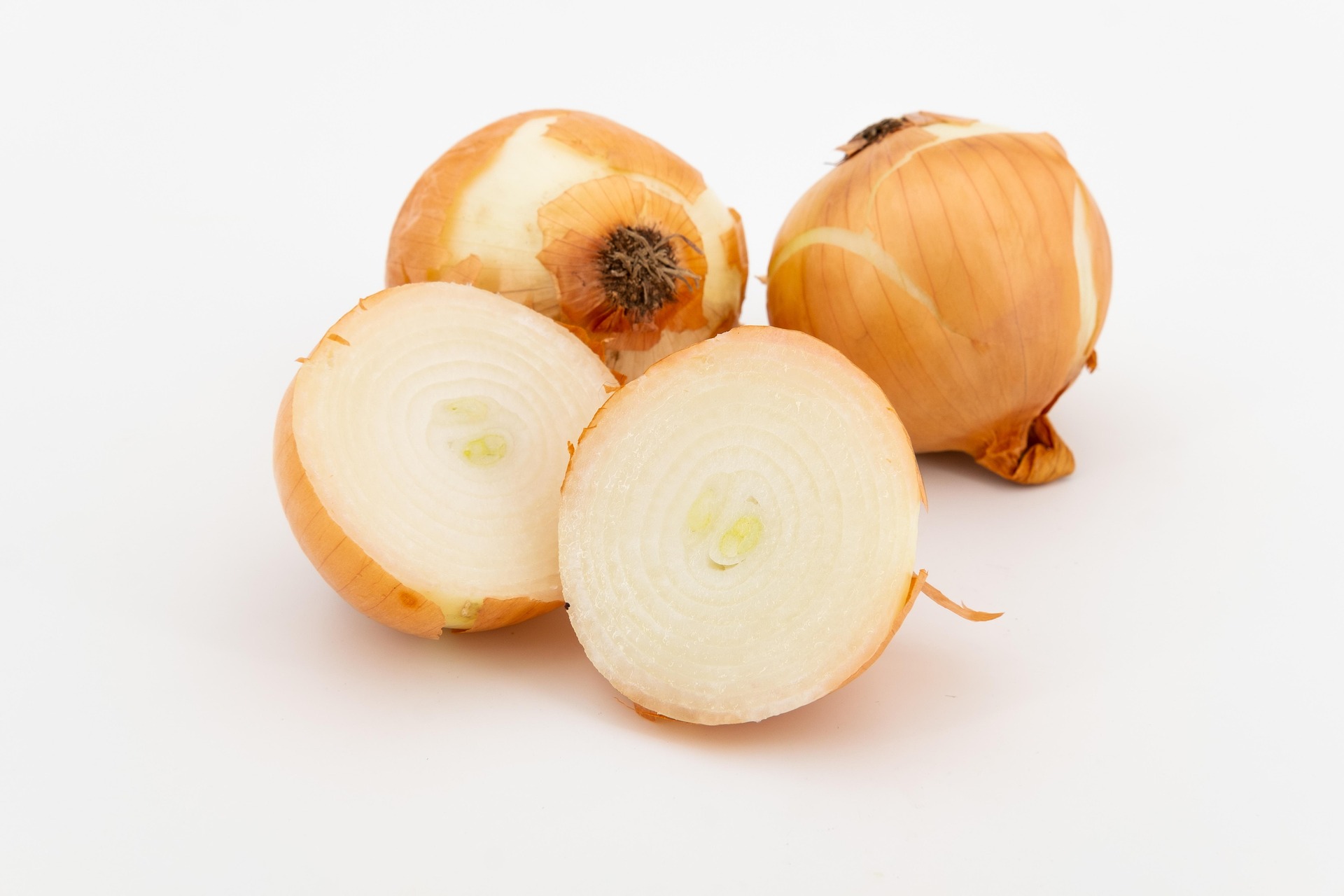 Toxic
Toxic Onions
Onions are genuinely toxic to dogs — one of the cases where the 'toxic' label is accurate, not overstated. Every form (raw, cooked, dried, powdered) damages red blood cells and causes haemolytic anaemia, with a delayed 3–5 day onset. Merck puts the clinical threshold near 15–30 g/kg.
Read full guide →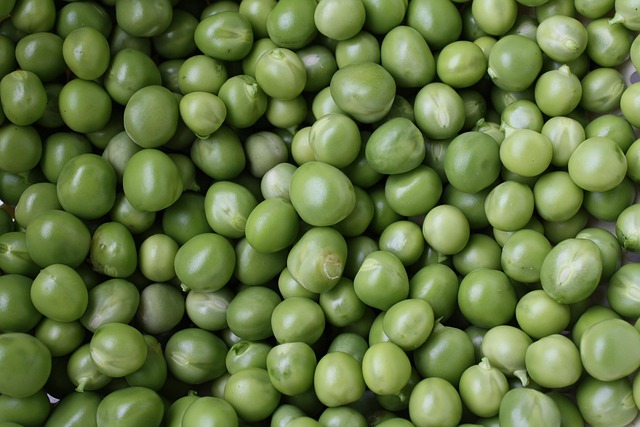 Safe
Safe Peas
Veterinary and pet-nutrition sources describe peas as safe for dogs when plain and unseasoned, noting that concerns mainly relate to added salt or ingredients in processed forms.
Read full guide →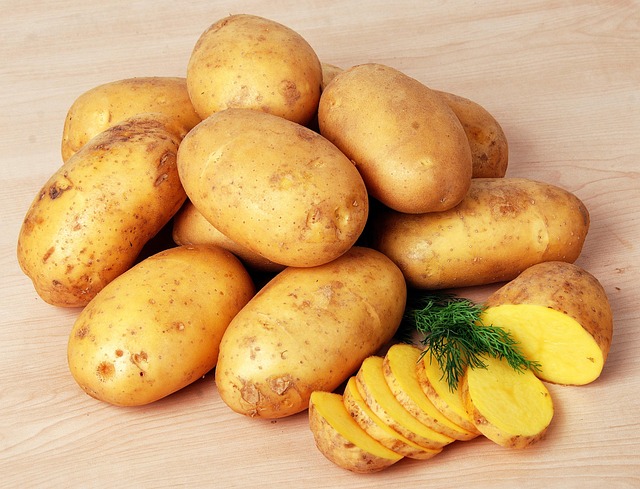 Caution
 Potatoes
Veterinary and pet-safety sources describe potatoes as not toxic to dogs when fully cooked and plain, while noting significant risks associated with raw potatoes, green potato skins, and the potato plant due to solanine.
Read full guide →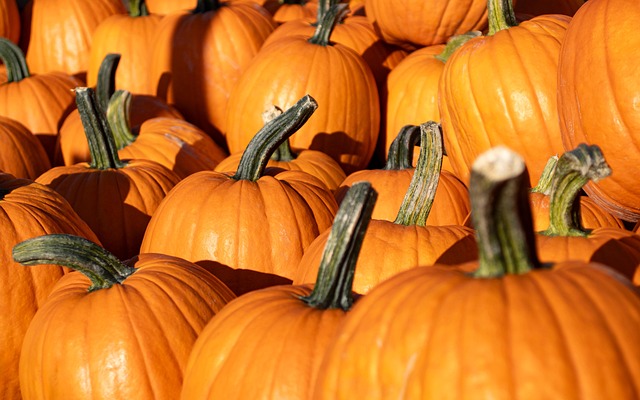 Safe
Safe Pumpkin
Veterinary and pet-nutrition sources describe pumpkin flesh as safe for dogs when plain and properly prepared, with concerns mainly related to preparation, indigestible parts, and added ingredients.
Read full guide →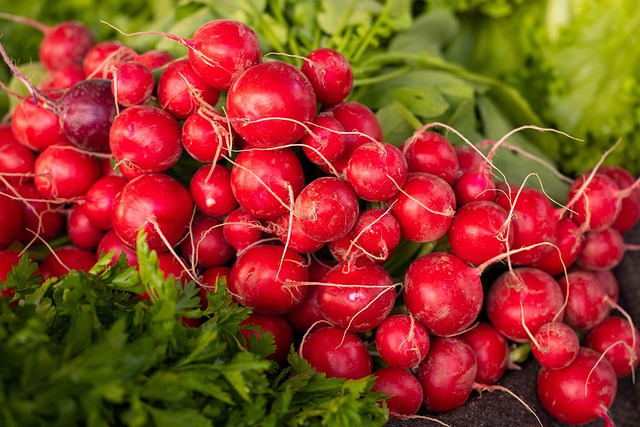 Safe
Safe Radishes
Veterinary and pet-nutrition sources describe radishes as non-toxic to dogs, with occasional digestive upset noted due to their spicy compounds rather than poisoning.
Read full guide →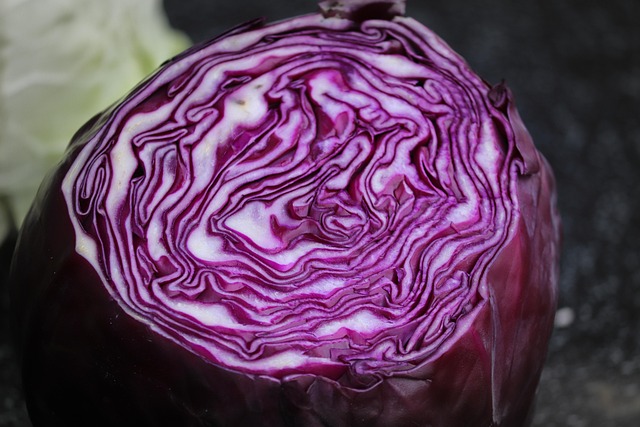 Safe
Safe Red Cabbage
Veterinary and pet-nutrition sources describe cabbage, including red cabbage, as non-toxic to dogs, with occasional digestive upset noted due to gas-producing compounds.
Read full guide →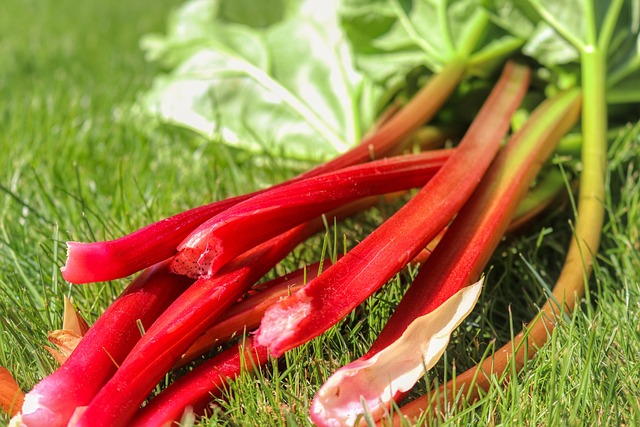 Toxic
Toxic Rhubarb
Veterinary toxicology sources classify rhubarb as toxic to dogs due to oxalates in the leaves and plant parts, which are associated with gastrointestinal and systemic effects.
Read full guide →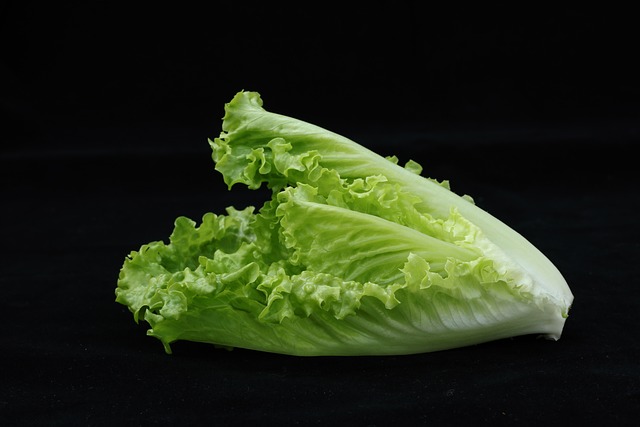 Safe
Safe Romaine Lettuce
Veterinary and pet-nutrition sources describe romaine lettuce as non-toxic to dogs, with concerns mainly related to digestive upset if large amounts are eaten.
Read full guide →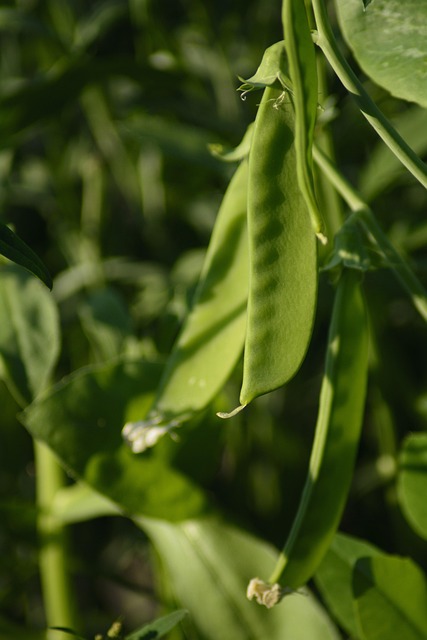 Safe
Safe Snap Peas
Snap peas are generally considered safe for dogs when plain, as veterinary sources note they are non-toxic and commonly discussed as an acceptable vegetable.
Read full guide →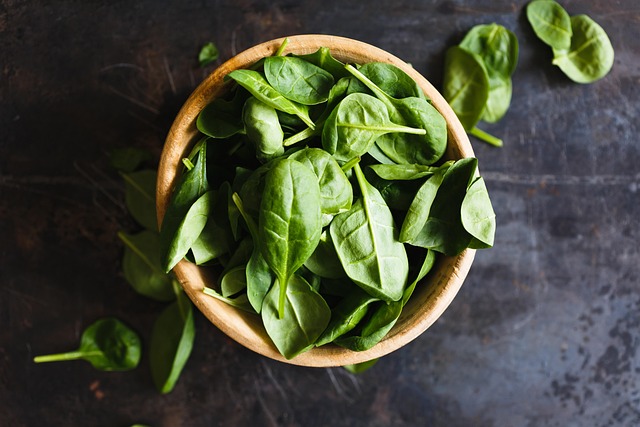 Caution
 Spinach
Spinach is not considered toxic to dogs, but veterinary sources note concerns related to oxalates, which may affect dogs with certain health conditions when consumed in larger amounts.
Read full guide →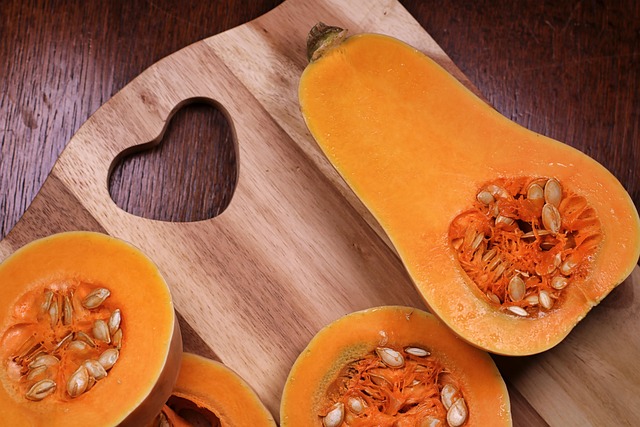 Safe
Safe Squash
Squash is generally considered safe for dogs when plain, with veterinary sources commonly listing it among non-toxic vegetables.
Read full guide →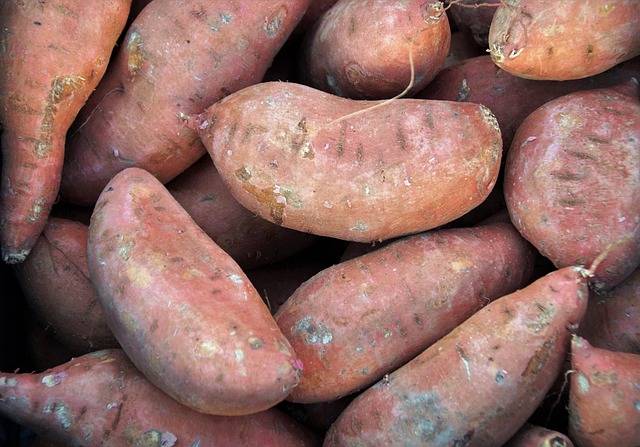 Safe
Safe Sweet Potatoes
Sweet potatoes are generally considered safe for dogs when plain, with veterinary sources commonly listing them as a non-toxic vegetable.
Read full guide →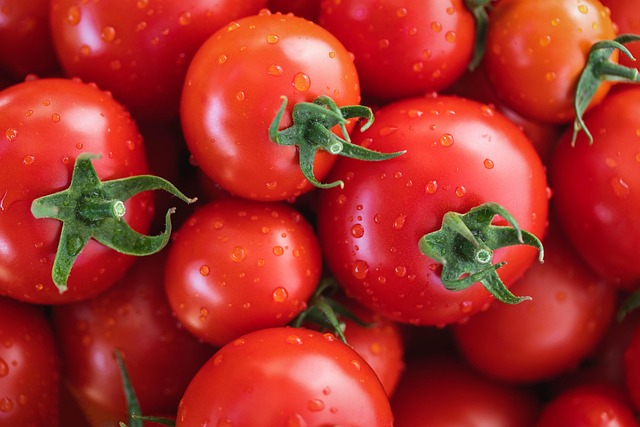 Caution
 Tomatoes
Tomatoes are not considered toxic to dogs when ripe, but veterinary sources note that unripe tomatoes and tomato plant parts contain compounds of concern, and acidity may cause digestive upset.
Read full guide →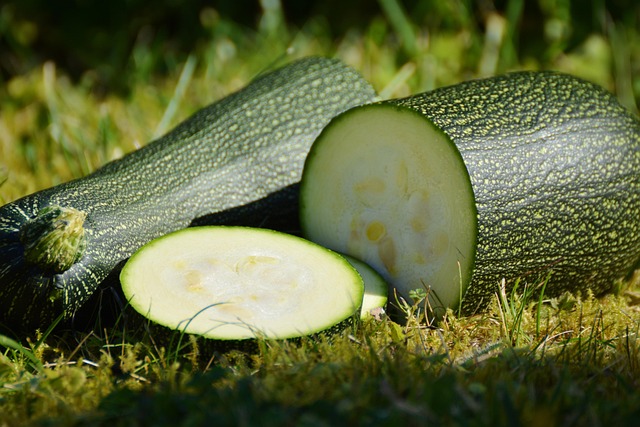 Safe
Safe Zucchini
Zucchini is generally considered safe for dogs, with veterinary sources listing it as a non-toxic vegetable that may be tolerated by many dogs when plain.
Read full guide →