Affiliate disclosure: This guide contains affiliate links. If you purchase via these links, we may earn a small commission at no extra cost to you. This never affects our safety assessments — see our Editorial Standards for how we work.
Recommendations on this page
- For preparedness: ARCA Pet First Aid Kit — a small investment for unexpected pet emergencies. View on Amazon →
- Further reading: The Forever Dog by Habib & Becker — a well-regarded reference on canine nutrition and longevity. View on Amazon →
Are Artichokes Safe for Dogs?
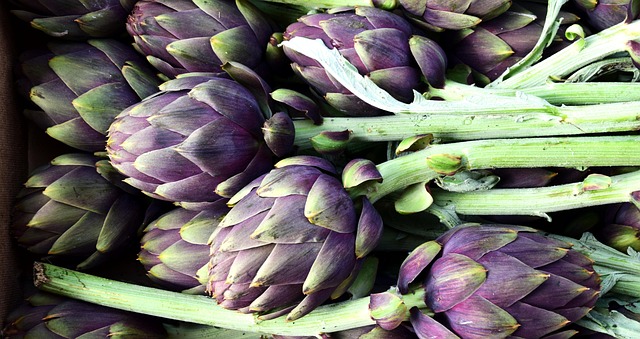
Let’s lead with the reassuring part: a plain, cooked artichoke heart is genuinely fine for dogs. Artichoke isn’t toxic — there’s no poisonous compound in it — and the tender heart, steamed or boiled with nothing added, is a low-concern vegetable that most dogs handle well in moderation. Its fibre is even mildly beneficial. So the vegetable itself is not the problem.
Why, then, is this a Caution and not a Safe? Here’s the honest reasoning, because it’s worth understanding rather than just taking on trust.
Why This Is a Caution: the Inverse of Apple
On this site, apple reached Safe — and artichoke is the mirror image of that decision, which is exactly why it lands differently.
Apple is Safe because the recommended form and the typical form are the same thing. We tell you to core an apple and give the slices, and that’s also how dogs normally meet apple — as fresh, cored pieces. The clean version is the default version.
Artichoke inverts that. Its clean form — a plain steamed heart, unseasoned — is what careful preparation looks like, but it is the minority of how dogs actually encounter artichoke. In the real world, artichoke shows up as:
- Marinated jarred or canned hearts — packed with salt, oil, and often garlic;
- Spinach-artichoke dip — cream cheese, sour cream, mayonnaise, parmesan, and garlic; and
- Whole cooked artichokes — mostly tough, inedible leaves and a fibrous “choke,” with only the heart worth eating.
So the same principle that made apple Safe — judge the food by how it’s typically encountered — pushes artichoke the other way. With apple, typical exposure is the clean form. With artichoke, typical exposure is salted, oiled, garlicky, or fibrous. The plain heart earns a clean bill; the vegetable as it usually reaches a dog earns a Caution. That’s the whole reason for the rating, stated plainly.
The Mechanical Hazard: Leaves and the “Choke”
Start with the physical problem, because it’s specific to this vegetable. A whole artichoke is largely not soft food. The outer bracts (leaves) are tough and fibrous, and at the centre, above the heart, sits the “choke” — a mass of stringy, hairy fibres whose name is a fair warning.
This is a genuine choking and gastrointestinal-obstruction hazard, and it’s a bigger one than the comparable concern on the apple page. An apple core is a small part of the fruit; with an artichoke, the tough, inedible material is most of the vegetable. A dog that grabs a whole cooked or raw artichoke off a plate isn’t getting a mouthful of soft heart — it’s getting bracts and choke that don’t chew down well and can lodge or bind, especially in a small dog.
The practical rule: the heart is the only part worth giving, and only plain. The leaves and choke aren’t a seasoning problem, they’re a texture-and-obstruction problem — so they get removed the same way you’d debone chicken before sharing it.
Garlic in the Preparation — That’s the Butter, Not the Artichoke
Artichokes are usually served with something: melted butter, garlic butter, olive oil and lemon, or a mayonnaise-based dip. Two of those bring real concerns — the fat (butter, oil, mayo) and, more seriously, the garlic in garlic butter and many dips.
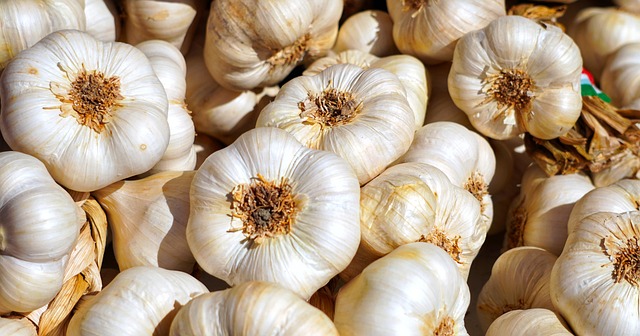
But it’s worth being precise about the relationship, the same way we are elsewhere on the site. Plain artichoke contains no garlic. The garlic is in the butter or dip you add, not in the vegetable — so this is the “preparation you add,” dish-adjacent case (like the garlic in a ricotta lasagna sauce or a buttermilk ranch), not garlic mixed into the food itself. Garlic is genuinely toxic to dogs regardless of where it sits, so a dog that laps up garlic butter off an artichoke is having an allium exposure worth taking seriously — but the point is that the artichoke didn’t bring it. Give the heart plain and the garlic question disappears.
Canned and Marinated Hearts: the Form You Actually Have
Here’s the form most people actually have in the cupboard, and it’s the one that turns the plain-heart reassurance on its head: jarred or canned marinated artichoke hearts. These are convenient, tasty, and — for a dog — the opposite of the plain steamed heart.
Marinated hearts are typically packed in a mix of salt, oil, vinegar, and often garlic and herbs. The sodium is the everyday concern: brined and marinated vegetables carry a real salt load, and while a dog won’t reach genuine salt toxicosis (Merck puts that at roughly 2–3 g of salt per kg of body weight) from a heart or two, marinated hearts are salty enough to matter for small dogs and any dog on a low-sodium diet — see the salt page. Stack the oil (GI upset, a fat load) and the frequent garlic on top, and a marinated artichoke heart is a genuine Caution food, not the clean vegetable the word “artichoke” might suggest. If you want to share, rinse a plain canned heart (packed in water, not marinade) well, or better, steam a fresh one.
Spinach-Artichoke Dip: the Richest Context
The single most common way artichoke reaches a dog is probably spinach-artichoke dip, and it deserves its own look because it stacks nearly every dairy-and-fat concern on the site into one bowl. A typical recipe is:
- Cream cheese, sour cream, and mayonnaise — a heavy fat load (see also sour cream and mayonnaise);
- Parmesan and mozzarella — more fat and a real salt contribution;
- Garlic — usually several cloves, plus sometimes onion; and
- Spinach and artichoke — the only two ingredients that aren’t a problem.
So the honest read on spinach-artichoke dip is that the artichoke is one of the two innocent things in it. The concern is the rich, salty, garlicky base — the fat (a pancreatitis risk in quantity, especially for small or predisposed dogs) and the garlic (an allium exposure). A lick off a finger won’t hurt a healthy dog, but a bowl of spinach-artichoke dip is a genuine “call it a no” food — and if a dog got into a real amount, it’s the garlic and fat you’re watching, not the artichoke.
Symptoms to Watch For
From plain artichoke in excess (fibre), or the fat in dips and marinades:
- Gas, loose stools or diarrhoea, vomiting, abdominal discomfort
- After a large, fatty amount (dip, garlic butter), watch for pancreatitis signs over 24–72 hours — repeated vomiting, a hunched or painful posture, marked lethargy, loss of appetite
From the leaves or choke (mechanical):
- Gagging, retching, or visible difficulty swallowing; and, if something lodges lower down, repeated vomiting, an inability to keep food down, lethargy, or a tense abdomen — potential obstruction signs that warrant a prompt vet call
From garlic (in garlic butter, marinade, or dip — allium, often delayed 3–5 days):
- Lethargy, weakness, pale gums, reddish or brown urine, reduced appetite
For preparedness
ARCA Pet First Aid Kit
A plain artichoke heart is a non-event — but the artichoke scenarios that do matter (a dog into a bowl of garlicky spinach-artichoke dip, or one that swallowed tough leaves or the choke) are exactly the kind worth being ready for. A first aid kit is a small, sensible bit of preparedness while you get to your vet.
View on Amazon →What To Do
- A little plain, cooked artichoke heart, healthy dog: low concern. Keep it moderate — the fibre can cause gas if you overdo it.
- Tough leaves or the choke swallowed: watch closely for gagging or, over the next day or two, obstruction signs (repeated vomiting, no appetite, a tense belly) — and call your vet if any appear, sooner for a small dog.
- A marinated/jarred heart: mind the salt, oil, and any garlic; not something to share routinely. Rinse a plain water-packed heart instead if you want to give some.
- Garlic butter, or spinach-artichoke dip: treat a meaningful amount as an allium exposure plus a fat load — watch over the next few days, and call your vet if the amount was significant.
- Want to give a safe green treat instead? Plain steamed green beans, carrot, or a plain artichoke heart with nothing on it.
Frequently Asked Questions
This FAQ summarises general veterinary and nutrition guidance. It’s informational only and not a substitute for advice from your own vet, who knows your dog.
Are artichokes safe for dogs?
The plain, cooked heart is — it’s non-toxic and fine in moderation, with beneficial fibre. The reason the page is a “caution” rather than fully safe is that dogs rarely meet artichoke as a plain heart. They meet it as marinated jarred hearts (salt, oil, garlic), spinach-artichoke dip (cheese, mayo, garlic), or a whole artichoke whose tough leaves and fibrous choke are a choking hazard. Give a plain steamed heart and it’s a good treat; the usual forms are the problem.
Can dogs eat artichoke hearts from a jar or can?
Marinated ones, best not — they’re typically packed in salt, oil, vinegar, and often garlic, which together make a jarred heart a salty, fatty, sometimes-allium treat rather than a clean vegetable. If you want to share, use a plain, water-packed heart and rinse it well, or steam a fresh one with nothing added. Plain is the whole point.
Can dogs eat spinach-artichoke dip?
No — but the artichoke is one of the two innocent ingredients in it (the spinach being the other). Spinach-artichoke dip is built on cream cheese, sour cream, mayonnaise, parmesan, and garlic, so it’s a rich, salty, garlicky food: a fat load plus an allium exposure. A stray lick won’t hurt a healthy dog, but don’t offer it — and if your dog ate a real amount, watch for stomach upset and the garlic signs over the next few days.
Which part of the artichoke is safe, and which isn’t?
The heart is the good part — soft, digestible, non-toxic. The outer leaves and the central “choke” are the parts to keep away: they’re tough and fibrous, don’t chew down well, and are a genuine choking and obstruction risk, particularly for small dogs. Think of it like chicken — you give the safe part and remove the part that isn’t.
About This Guide
This guide was researched and written by Claire Donnelly for Is It Safe For My Dog?. We are not veterinarians. Each guide is compiled from published, publicly accessible veterinary and toxicology sources — for this page, the American Kennel Club, the ASPCA, VCA Hospitals, and the Merck Veterinary Manual — and cross-checked before publication. Because neither the AKC nor PetMD publishes an artichoke-specific article, we apply the AKC’s general fruit-and-vegetable guidance to artichoke and say so openly, with the salt and allium concerns anchored to veterinary toxicology. This is general information; it does not replace a consultation with your vet.
Sources for the figures on this page
- American Kennel Club — Fruits & Vegetables Dogs Can and Can’t Eat (general framework for which vegetables are safe, and the standard cautions about preparation, seasoning, and high-fibre plant material; applied here to artichoke, no AKC artichoke-specific page existing)
- ASPCA Animal Poison Control — People Foods to Avoid Feeding Your Pets (onion and garlic listed as hazards; excess salt cautioned; fatty foods associated with GI upset — relevant to marinades and dips)
- VCA Hospitals — Onion, Garlic, Chive, and Leek Toxicity in Dogs (onion and garlic classified toxic to dogs; applied to the garlic in garlic butter, marinades, and spinach-artichoke dip)
- Merck Veterinary Manual — Salt Toxicosis in Animals (sodium toxicosis in the range of ~2–3 g salt per kg body weight; used to scale the salt in marinated/jarred hearts)
- Composition notes — marinated/jarred artichoke hearts are typically packed with salt, oil, vinegar, and garlic; spinach-artichoke dip typically combines cream cheese, sour cream, mayonnaise, parmesan, and garlic; from published product and recipe data, used to characterise the common prepared forms
This page is informational only and does not constitute veterinary or medical advice.